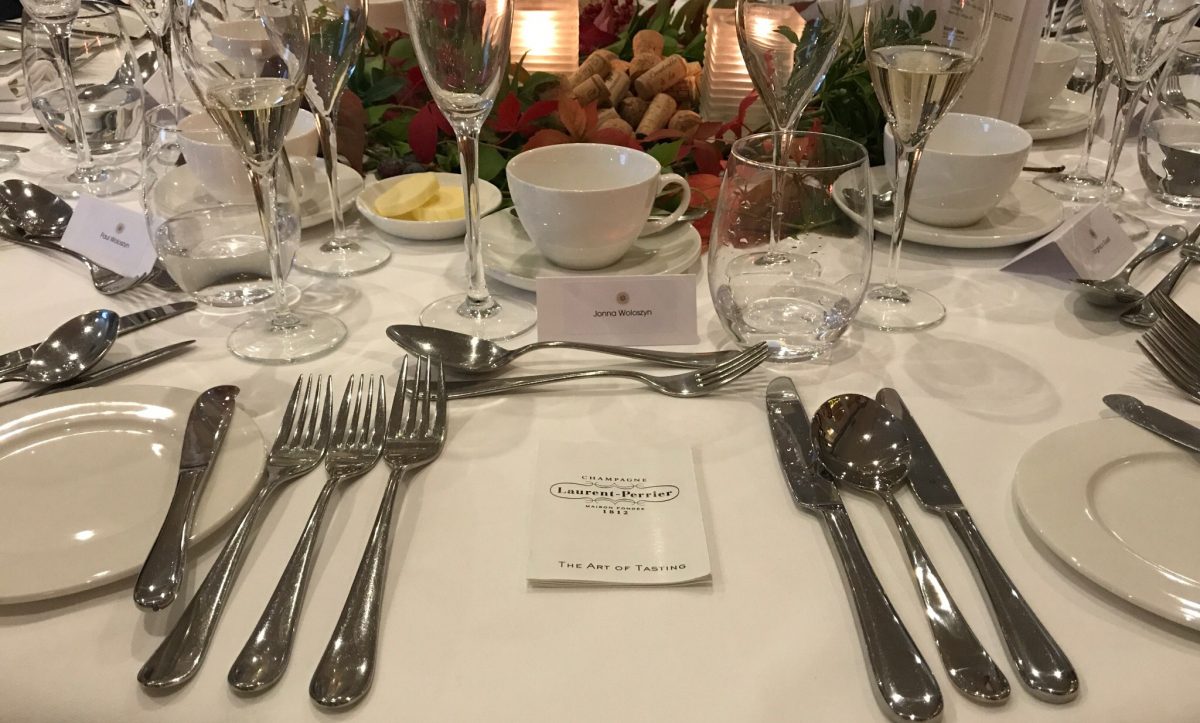
Restaurant review: Pétrus, London

This delightful restaurant in the heart of Knightsbridge in London is a place I would like to visit more frequently, but as my husband and I tend to often decide on the day we’d like to go out for a meal, it’s not possible because Pétrus is most of the time fully booked. We have visited several times however (we can occasionally also be more organized), and it is one of my favourite places. The place exudes sophistication, and even in a full restaurant you feel like you have privacy. You are well looked after, and for ladies; your handbag will get it’s own stool too. Pétrus is very worthy of it’s one Michelin star with their consistently good cooking, however it’s not the best restaurant I’ve recently been. The staff were very friendly and attentive, and The Head Chef spared us a generous amount of  time in the kitchen, which was very nice.

The Head Chef Larry Jayasekara has an impressive background, having worked at several three Michelin star restaurants. Having started his career at Pétrus back in 2004, he re-joined in 2015. He was also awarded with National Chef of the Year in 2016, amongst other accolades he’s achieved.

I hadn’t decided at first whether I was going to review our dining experience or not, and decided to do it after our Amuse Bouche, so I don’t have a picture of them. They were however nice and tasty.

The Tasting Menu itself started with lime, sour cream, olive oil and sherry. This was like a palate cleanser, very fresh and light.

img_2404

The scallop dish with cauliflower, capers and raisins that came next was very tasty, and the scallop was cooked well, however we thought perhaps just on the borderline whether it was cooked enough. We also thought it would’ve been useful to have a small spoon to eat the cauliflower foam. The capers and raisins were somehow incorporated to the dish in a way that you didn’t notice them (there were no physical bits of these), so the flavours, saltiness of capers and sweetness of raisins, had been managed really well.
img_2405

The next dish of chicken, foie gras and black truffle was a clever,  playful dish of a mini chicken pie. My husband loved it. I thought I couldn’t really taste the black truffle much. The dish was eaten by hand, which wasn’t a problem to us, however I could imagine some people might not like it.

The butter test was passed without problems. If you’ve not read any of my previous reviews, there are not many things I hate more than hard butter that’s really difficult to spread, in a nice restaurant. The butter should be nice a fluffy, and most of all, soft. The butter sets the tone from then forward to the whole meal. The bread had an interesting sour taste to it – and I don’t mean a sourdough. My husband said it reminded him of Guinness. He is a Guinness lover, and also loved the bread. I don’t drink Guinness, and thought the bread was nice, but didn’t love it as much.

Next dish of crab agnolotti (stuffed pasta, like ravioli) with sweetcorn puree and red wine jus was very tasty. For me the pasta might have been just a tad too al dente, however for my husband, it was perfect. The red wine jus had perfect balance, and didn’t overpower the other flavours.
img_2408

I’ve tried sweetbread a couple of times in the past, and I was yet to come across a nice one. I don’t think it’s necessarily that I don’t like the sweetbread itself, but it just haven’t been cooked in a way that would’ve sold it to me. So I was really looking forward to trying it in a place like this. The flavour combinations on the menu for this dish looked interesting: curried sweetbread, almond, black tea. The sweetbread gets poached in milk first, then pan fried and served with almond gazpacho. The dish itself was hiding behind a lettuce leaf. My husband loved the dish. I also liked the sweetbread, I only found something on the plate a little bit too salty (my husband didn’t). The texture of the sweetbread was firmer than of those I’ve had in the past, which made me conclude my biggest issue in the past has been the texture. The black tea wasn’t really coming through on the dish.

img_2409

The next dish of Skrei cod with Oscietra caviar and yuzu (Japanese / Korean citrus fruit) was lovely, the fish was perfectly cooked.
img_2410

Pigeon is one of my favourite fine dining foods, so I was pleased to see the Anjou pigeon with avocado, pistachio and Madeira jus coming up on the menu next. The whole dish was wonderful. The turnip, onion and avocado were lovely and very tasty accompaniments to the perfectly cooked, rich dark, pink coloured pigeon, and the pistachio crumb worked well.

img_2411

This dessert, jelly and ice cream, is a kind of a ‘blast from the past’ kind of dessert. I believe it was a very British, and popular, dessert back in the 80’s. I have seen the revival for the dish recently, as it  seems to have appeared on the menu in a few places. Of course, this comeback version has seen a refined makeover. The ginger bread ice cream tasted amazing, really lovely. In fact, my husband said it was the best ice cream he’s ever had. We didn’t really notice the jelly element, and in fact thought first this was an additional palate cleanser dish. There was caramelised pineapple and basil, and the ice cream. Because of the style of the plate, you had to use your finger to assist getting things on the spoon.

img_2412

I thought the execution of the coconut parfait was very clever. It looked like you were being served a half a coconut, however the white inside was the coconut parfait, and the brown outer shell was dark chocolate, with additional small chocolate pieces on the outside of the shell, making it look like a real, hairy coconut. It was served with rice pudding and a coconut and lime sorbet. My husband came up with a very good description: the dish was like a really nice Bounty.

img_2413

Rating: ★★★★☆
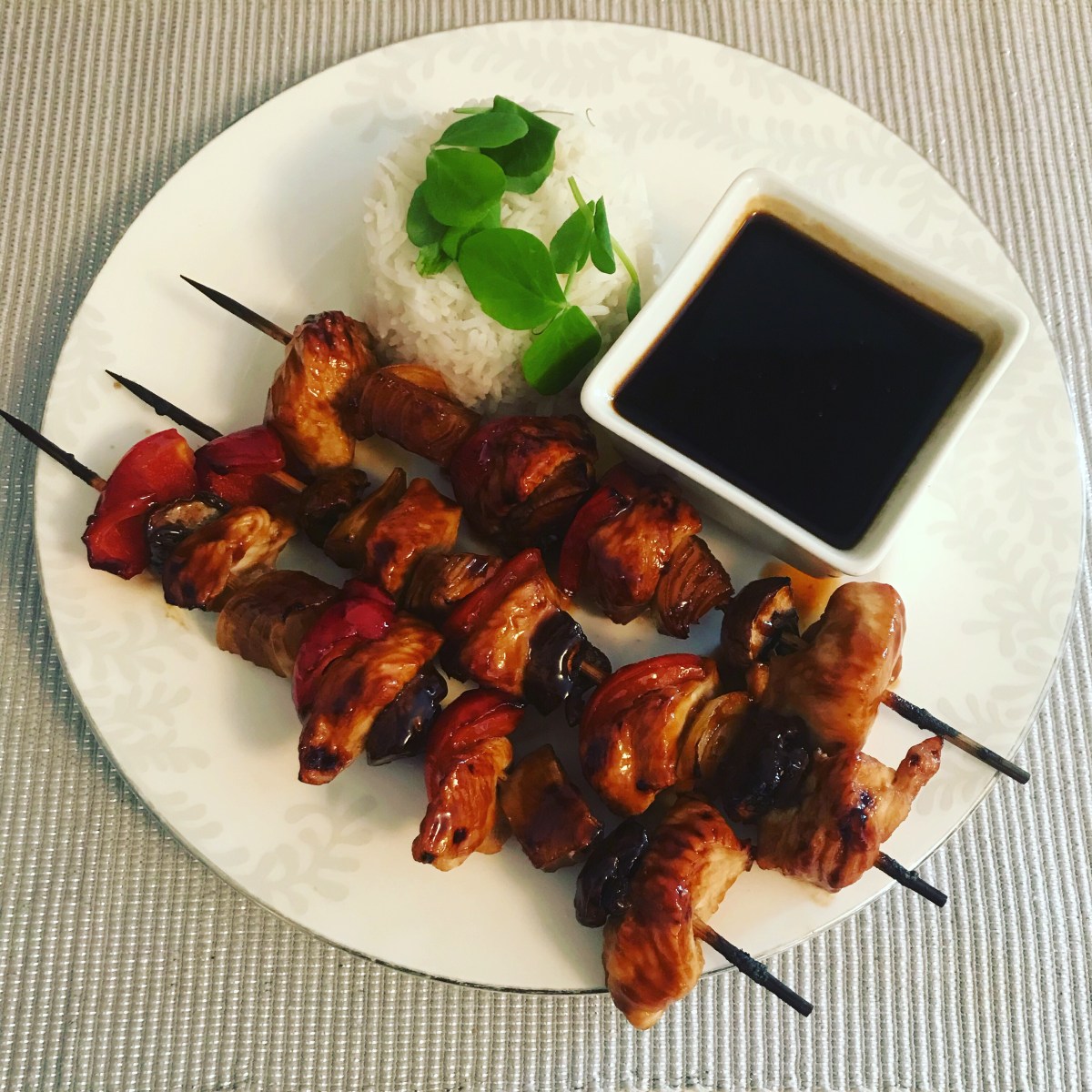
Yakitori chicken skewers

The good thing about being open to experimenting with all kinds of cooking and holding a pretty varied basic stock of ingredients is that your options are limitless, with little prior planning required. I often give my husband options he can choose from, from the basic ingredients (ie chicken). After choosing the main ingredient, he might sometimes say he’d like it a certain way. So today’s chicken became Japanese style food, which was different to what I had originally though for the particular meat, however  I’m now pleased I went for this option, as I’ve not cooked this in a while. I think people might be put off cooking foods from different cultures because it seems to be the unknown. Some might be concerned that there are difficult cooking techniques involved, as well as strange ingredients. I would say that often this doesn’t need to be the case. For example, with this dish, making of the yakitori sauce is very easy, with only a few ingredients involved.

500g chicken breast
6 chestnut mushrooms, cut in quarters (or if using small button mushrooms, 24)
1 red or green pepper
1 onion
~~~~~
Yakitori sauce
150ml soy sauce (I use half and half of light and dark)
90g sugar
1 1/2 tbsp sake (or replace by dry white wine)
1 tbsp plain flour

1. If using wooden skewers, soak them in cold water for half an hour.

2. Mix all the sauce ingredients together in a pan. Bring to boil. Stir continuously, keeping an eye on it. Lower the temperature, and simmer for 10 minutes, stirring. This will reduce the sauce by about a third, and make it thicker and syrupy. Break any lumps of flour during cooking.

3. Cut the chicken and vegetables into chunks, and thread on the skewers. Pre-heat the grill. Brush the skewers generously with the yakitori sauce (also the underside), and grill for 5 minutes. Brush all over with the sauce again, and grill for another 5 minutes.

img_2556

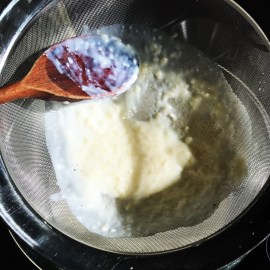
4. Strain the liquid (the sauce and some cooking juices) through a sieve back to the pan, bring to boil, and serve as a dipping sauce.

img_2555

Eggs Benedict


This breakfast and brunch dish is very similar to the Eggs Royale click here for recipe that I’ve posted before. The differences between the two are that the Eggs Benedict uses ham instead of salmon, and I use Hollandaise sauce instead of Béarnaise sauce. Perfect served on brioche.

Hollandaise sauce
5 freshly ground white peppers, or 3 shakes of ground white pepper
2 parsley stalks
4 tbsp water or white wine (or mixture of both)
200g butter
3 egg yolks
paprika powder
1/2-1 tbsp lemon juice
salt

1. Put the pepper, parsley and water (and/or wine) in a pan. Let boil until the liquid has reduced to about half. Strain the liquid.

2. Melt the butter.

3. Put the egg yolks in a bowl, and drizzle over the strained liquid, whisking / stirring.

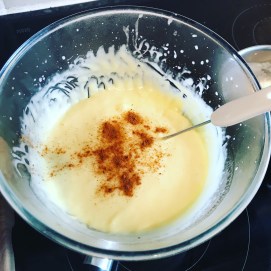
4. The eggs will need to be cooked in a bain marie (hot water bath). This is actually not as complicated as it sounds, please don’t let that deter you from making this sauce! You need a pot with water at the bottom, which will be heated to boiling. It’s important that the bottom of the bowl with the eggs doesn’t touch the hot water, as this could result to your sauce splitting. Whisk / stir the eggs until it’s starting to thicken. Next, start adding the melted butter to the eggs in drops at first, mixing/whisking as you go, then slowly drizzling the rest. You need to keep mixing the sauce until thickened.

5. Remove from the heat, and season with the paprika, lemon juice and salt.

img_2547

Poached eggs
1 tbsp vinegar
couple of pinches of salt

All you need to poach eggs successfully are spacious enough pan, spoon for stirring boiling water, slotted spoon for removing the egg from the water, a bowl for the cooked eggs to let excess water drain out. I tend to break the egg into a cup, to have one ready to be cooked as soon as one comes out of the boiling water.

1. Put vinegar and salt in the pan, pour water and bring to boil. Stir in the centre with a spoon, and immediately pour egg into the eye in the center. This, together with the vinegar and salt will hold the egg together.

img_2548

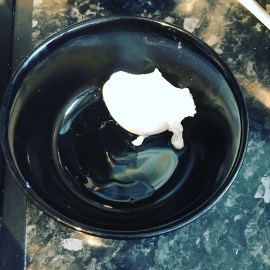
2. Cook for 3 minutes, and remove from the water with a slotted spoon. I tend to put the egg in a bowl first, to drain excess water, before plating it, otherwise you’ll end up with a soggy plate of food!

img_2549

Enjoy the food!

img_2540


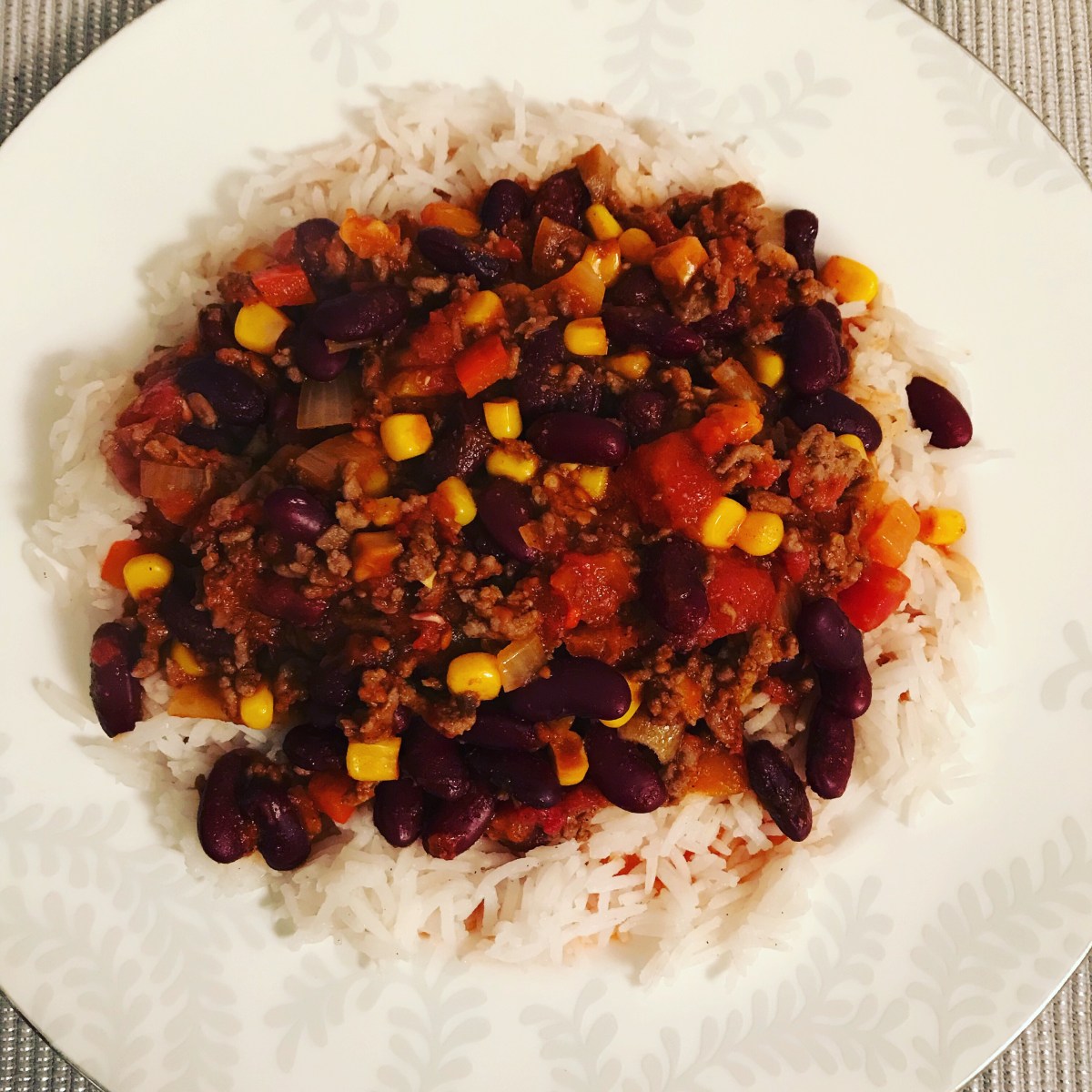
Chilli con carne

Planning to make this dish couldn’t have been better timed. The weather is cold, and all you want to do is cuddle up at home and eat honest, hearty winter warmer food. This kind of food is not only easy to make (however will need you to be somewhat organized if using dried red kidney beans, as their soaking time takes a while), but it’s also very easy and versatile to adjust things to personal preference. If you like things very hot, add some chillies, or if you’re more in the mild camp reduce the amount. You can also add your favourite ingredients, even if I haven’t included them. This recipe makes chilli with a little bit of heat, but for my liking is on the milder side. This makes a big batch and serves about 6-8, and is perfect served with rice or jacket potatoes.

250g mince beef
2-3 dl dried red kidney beans (if using ready to use, tinned, 1-2 cans)
1 onion, chopped
2-3 garlic cloves, finely chopped
3-4  small, hot chillies, finely chopped (I used a mixture of red and green)
1 lemon, squeezed
1 tbsp sugar
salt
black pepper
2-3 tbsp cumin powder
2 cans of chopped tomatoes
3 dl frozen sweetcorn
1 red pepper, deseeded chopped
4 medium size chestnut mushrooms, chopped
splash of
vegetable oil

1. If using dried red kidney beans, soak them overnight, or put them to soak in the morning, and they should be soaked when you cook them in the evening. Once soaked, discard the soaking water. Place in a pan, and cover generously with fresh water. Bring to boil, and let boil vigorously for 10 minutes. Lower the temperature, and simmer for another 50 minutes. The reason for this is because raw red kidney beans contain a very high level of toxin called Phytohaemagglutinin, which will be destroyed and reduced to a level where it’s not harmful.

2. Heat the oil in a frying pan. I tend to use a wok pan, because I always make a lot of it. Fry the onion in the oil, until starting to get translucent. Add the mince beef. Fry, breaking into small pieces, until just about cooked.

3. Add the garlic and chillies. Once cooked, add the peppers, mushrooms and all the spices (not sugar). Stir together well, and fry for a minute or two. Add the chopped tomatoes, lemon juice and sugar. If the texture appears too dry, add some water.

4. Last, add the beans and sweetcorn, stir together and cook until everything is warmed through. Taste, and add any spices to your taste if required. If you think you would like your chilli to be hotter (as It all depends on your personal preference, and the hotness of the chillies you used), you could add some cayenne chilli pepper powder.

img_2525

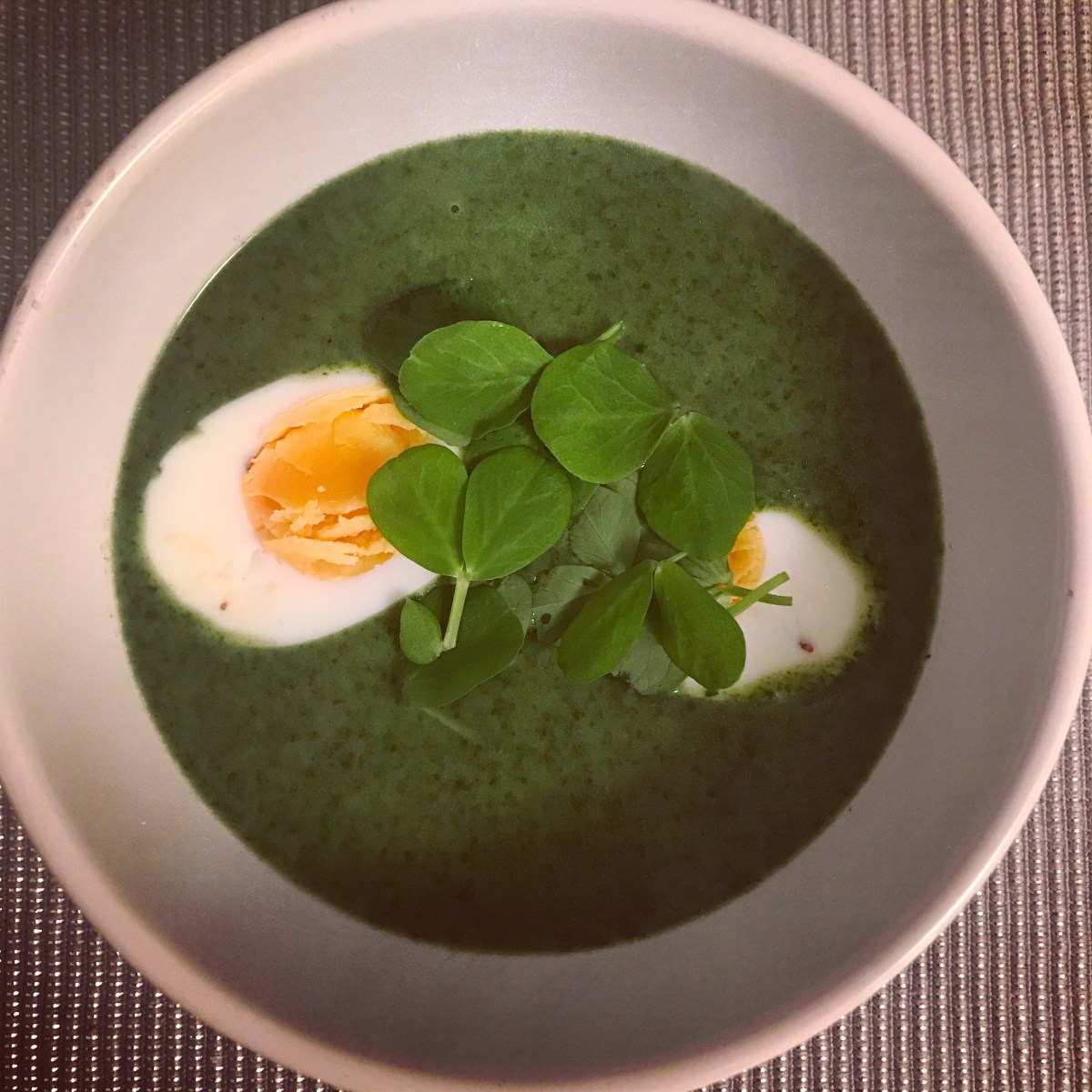
Spinach soup

This soup is another one of those foods from my childhood that didn’t impress me back then. Most of my experience of it, however, was as a school lunch, and most children hated it. Now when I make it, I think it’s absolutely delicious! I think it’s important to use as nice beef stock as possible, as that brings a lot of flavour to this soup. Traditionally, the soup is served with hard boiled eggs.

500g fresh spinach
2 litres water
4 tsp salt
~~~~~
50g butter
3 tbsp plain flour
1 litre beef stock
1 1/2 dl cream
salt
black pepper
nutmeg

1. Wash the spinach leaves, and bring to boil in the water with the salt. Cook for about 5 minutes or until cooked, then pour the water off and drain the spinach.

2. Melt the butter in a pan, then add the flour to it and mix together.

3. Start adding the beef stock, little by little, mixing continuously, until it has all been used and mixed together.

4. Puree the drained spinach in a blender, and add into the stock. Stir until it has all been mixed in properly.

5. Add the cream, then season with salt, pepper and nutmeg to taste. Cook for few minutes, and the soup is ready to be enjoyed!

img_2474

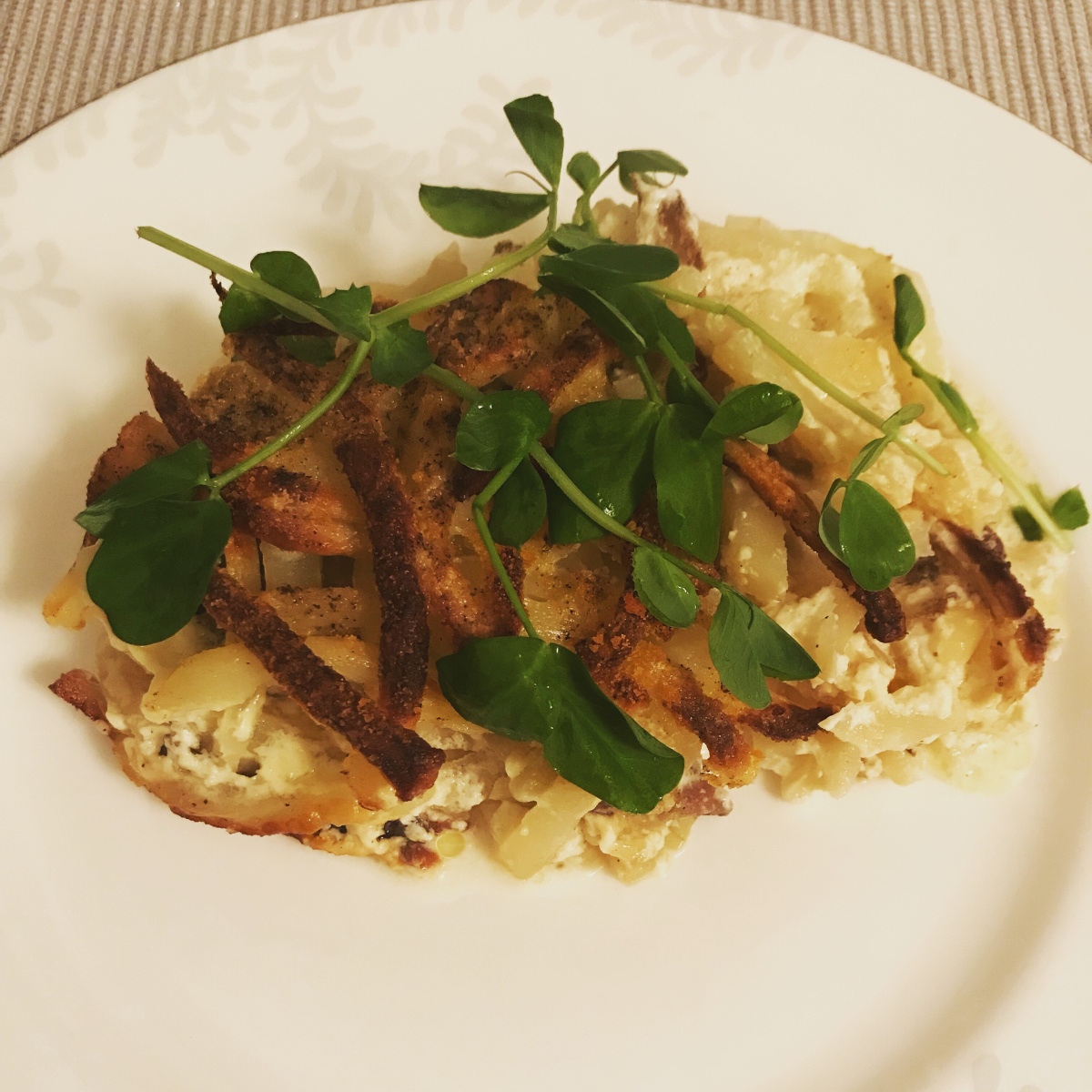
Jansson’s temptation

I have always thought of this as Finnish food, however I have a feeling this food might also be served in other Scandinavian countries. This dish tends to be something children hate (I would guess it’s because of the anchovy being quite a pungent fish), however most people turn around at the beginning of their adulthood, and love this food. I, too, have followed this evolution path. Ingredients wise, you really don’t need much.  This is one of those foods that I make semi regularly, and if I’ve had too long a break my husband starts asking for it. Other variations of this is Salmon temptation, where you replace the anchovy with salmon, however I would really like to encourage you to try this with the anchovies if you’re not a hater of the fish. As the anchovies are salty, you don’t need to add any salt into this dish, however if you make this with salmon you would probably want to add some salt too.

8 medium to large potatoes
2 onions
1 jar of anchovy fillets (100g)
black and white pepper
5 dl cream
1 tbsp bread crumbs
50g butter

1. Peel and finely chop the onions, and fry in half the butter.

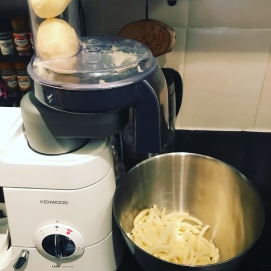
2. Peel the potatoes, and cut into this strips, like matches or French fries. Rinse with cold water, drain and dry.

img_2462

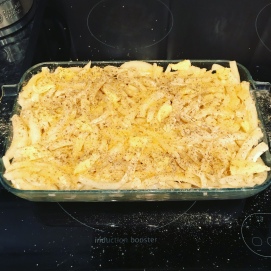
3. Butter an oven dish. At the bottom, place half of the potatoes. Season with pepper. Put the onions next, as a second layer. Next, put all the fish in as a third layer, then cover with the remaining potatoes. Pour all the oil from the fish tin over the potatoes, and add 3 dl of the cream, as well as some more pepper. Put pieces of butter on top, and sprinkle with the breadcrumbs.

img_2459

4. Bake in a preheated oven 200°C / 390°F (fan) for about 40 minutes. After this time, add the remaining cream, and bake for another 10 minutes. I love the crispy potatoes you will end with on top.

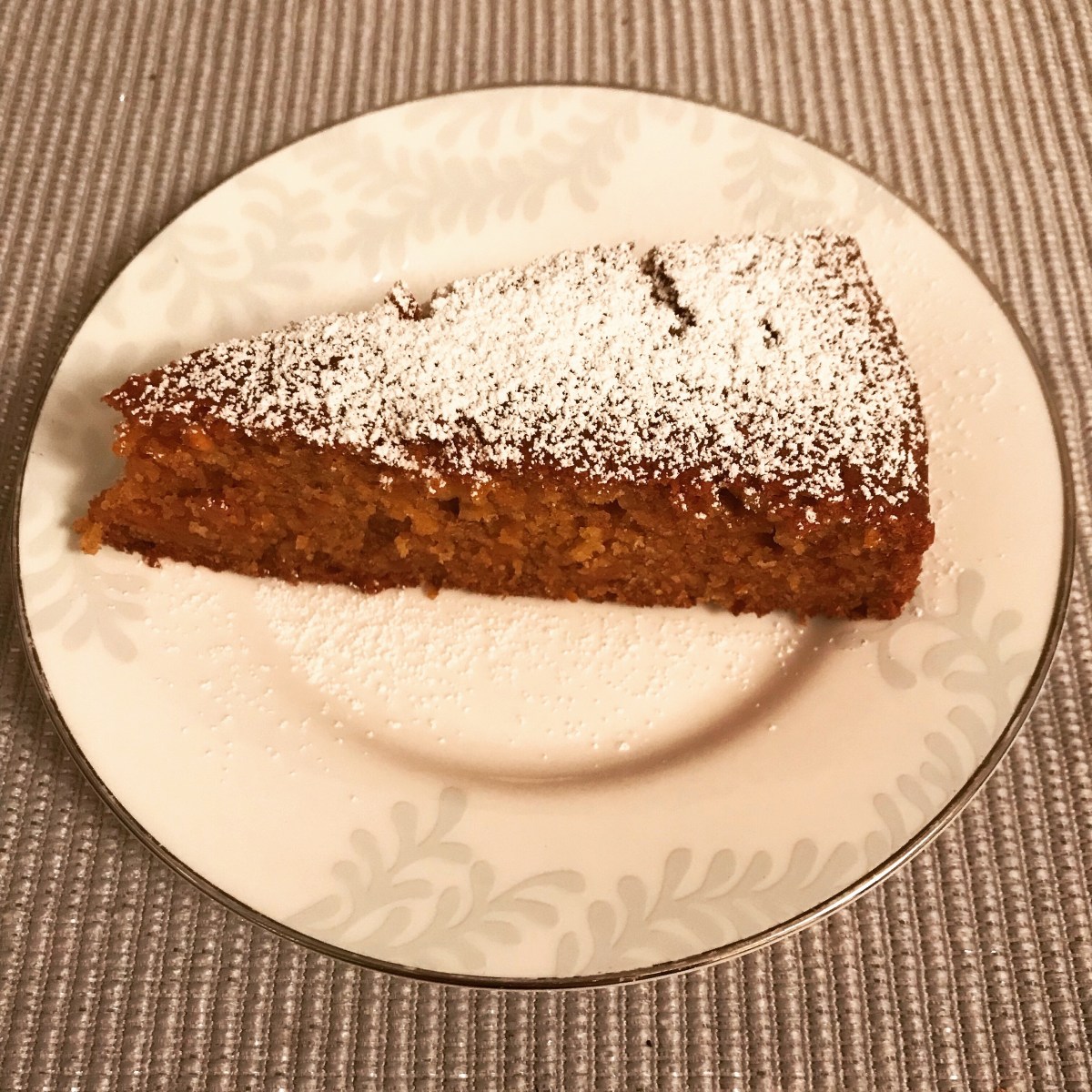
Carrot cake I

I have two recipes for carrot cake that I use. As both of them are nice, my dilemma was which one to post. I’ve decided that I will post one as I, and next time I’m making carrot cake I’ll make the other recipe as II.

200g carrots
2 eggs
1 1/2 dl caster sugar
1/2 dl chopped hazelnuts
2 1/2 dl self raising flour
1 dl oat bran
1 tsp bicarbonate of soda
1 tsp cinnamon
1 tsp vanilla sugar
1 tbsp orange juice
1 dl olive oil
1 dl buttermilk

1. Peel and finely grate the carrots.

2. Mix all the dry ingredients together.

3. Whisk the eggs and sugar together until foamy, fluffy texture, then carefully add the dry ingredients.

4. Add the carrots and all the other remaining ingredients.

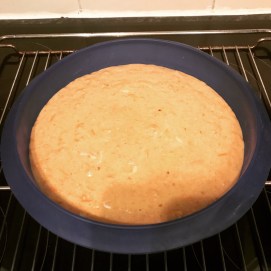
5. Pour the cake batter on a flat based cake tin (If you use a tin, you may want to butter it first. I use a silicon cake mold, which doesn’t require buttering). The batter will appear very runny at this stage, but will be nice and fluffy once cooked.

img_2450

6. Bake in the low part of a preheated oven 170°C / 340°F for about 50 minutes.

img_2449

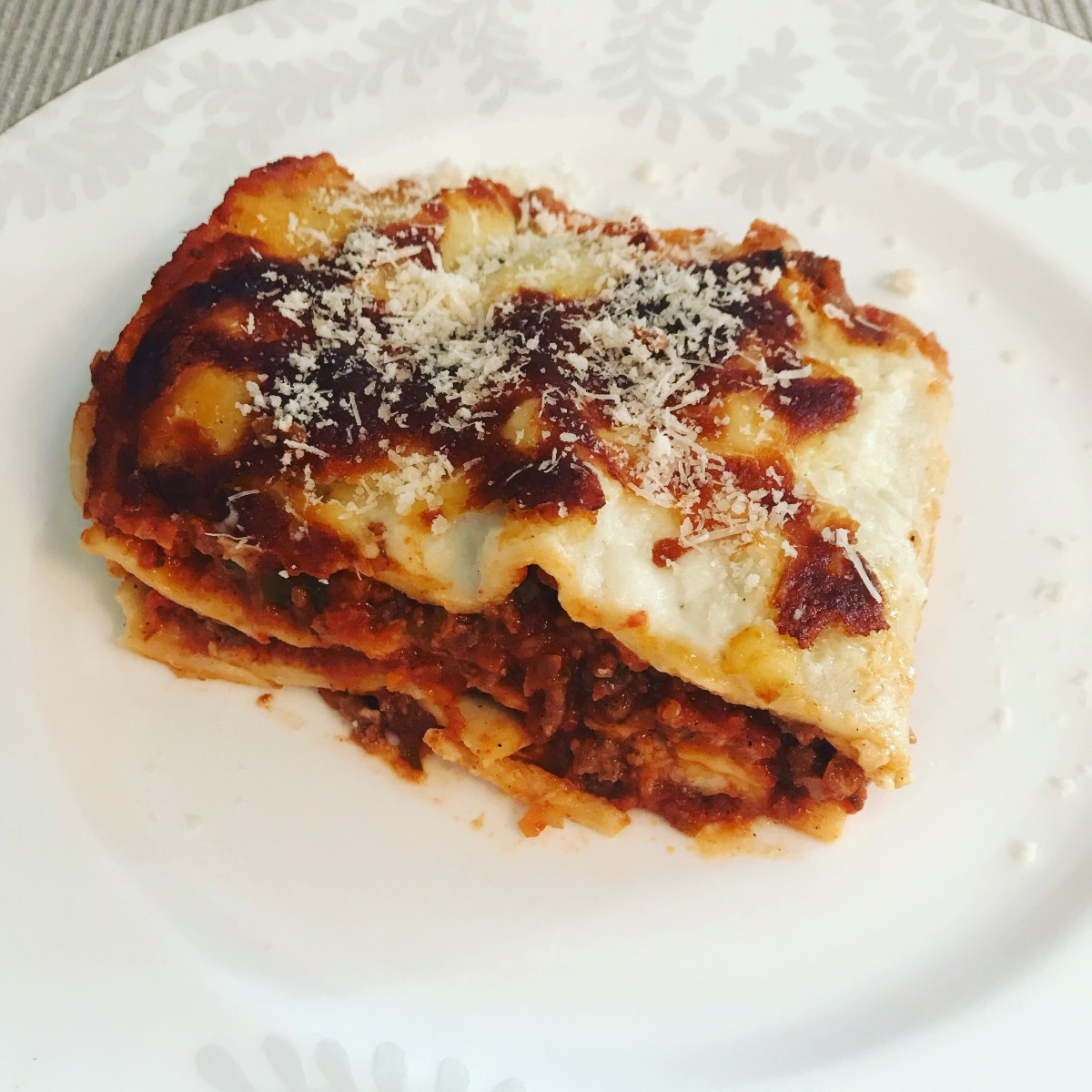
Lasagne


This Italian dish is usually a foolproof way to keep everyone happy: from children to adults, continent to continent, carnivore to a vegetarian, everyone usually loves their version of this food. I’ve made my own lasagna sheets for this dish, but you can absolutely use shop bought, dried ones too. This won’t change anything in the steps, apart from the fact that you can skip the pasta making step. If you are making you own pasta, I would start by making it first, as you can then leave it to dry while preparing the other things. For a vegetarian version, just replace the mince beef in the Bolognaise sauce with vegetables (peppers, mushrooms, courgette / zucchini etc).

Pasta
300g pasta flour, 00 grade
3 eggs

1.  Measure the pasta flour in a bowl. Make a well in the centre, and pour the eggs in. Then, starting with a fork, break the eggs and little by little mix the eggs with the surrounding flour. Once the dough gets firmer, move onto kneading by hand.

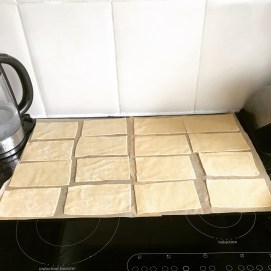
2. Divide the dough into three pieces. Flatten the pieces with your hands, and roll through the pasta machine, on the biggest setting. Fold the dough over in half, and roll through the same setting again. Then reduce the setting to the next, and roll through. Repeat until desired thickness is achieved (I went all the way to setting no 3). Next, using a knife, cut into sheets. Then, leave to dry while you prepare the rest.

img_2441

Bolognaise sauce
1 celery stick
1-2 carrots
1 medium onion
2-3 garlic cloves
handful of fresh basil leaves
handful of fresh parsley
1 tin of chopped tomatoes
4 tbsp tomato purée
dried oregano
dried herbs de provence
olive oil
salt
black pepper
~~~~~
250g mince beef
salt
black pepper
paprika powder
ground allspice

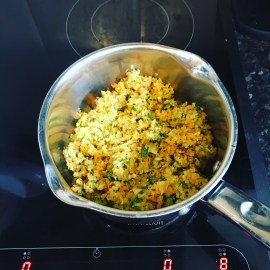
1. In a blender, finely chop onion, garlic, carrot, celery and fresh herbs,  and a splash of  olive oil. Pour in a pan, and fry until soft.

img_2445

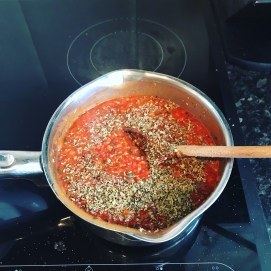
2. Blend the chopped tomatoes and tomato purée, and add to the pan. Add dried herbs and season with salt and pepper. Depending on the thickness of the sauce you may want to add a little bit of water.

img_2446

3. Fry the mince beef in a separate pan, and mix together with the tomato sauce.

Béchamel sauce
25g butter
3/4 dl flour
7-8 dl milk
2 dl cheese, grated (mature cheddar is good, or you can use half cheddar / half mozzarella) + some on top
salt
black pepper

1. Melt the butter in a pan, then mix the flour with the butter.

2. 1 dl at a time, start mixing the milk in, stirring. If you can’t get rid of lumps, whisk may be useful. When you have mixed all the milk in, if you still have lumps you can run the sauce through a sieve, pushing the lumps through. Pour the mixture back in the pan and cook for about 5 minutes, stirring. Season with salt and pepper.

img_2440

3. Mix the cheese into the sauce and stir until it’s melted.

Lasagne

1. Butter your owen dish. Layer the ingredients, starting with pasta sheets. Put a little bit of the Béchamel sauce over the bottom layer of pasta, then cover with the Bolognaise sauce. Then, Béchamel sauce again.

img_2437

2. Put another layer of pasta, Bolognaise sauce and Béchamel sauce. Cover with a layer of pasta and Béchamel, and sprinkle cheese on top. Always have the pasta and Béchamel  sauce as the last layer. Bake 180°C / 360°F (fan) for about 45-50 minutes.

Stuffed butternut squash

Butternut squash is said to have many health benefits, as well as being a versatile ingredient in cooking. On this recipe I oven roasted it with stuffing. It’s also excellent to be used in risottos. The main ingredient of my stuffing on this particular recipe is mince beef, however you could easily make this a vegetarian dish by replacing the beef with other vegetables, such as mushrooms, courgette etc, and could also add pulses.

250g mince beef
1 onion
salt
black pepper
white pepper
paprika
ground allspice
1 butternut squash
4 cherry tomatoes, finely chopped
1/2 red pepper, finely chopped
dried herbs de provence
olive oil

1. Fry the onions in vegetable oil in a pan, until starting to get translucent. Add the mince beef and mix with the onions. Add the spices, and fry until cooked. During the cooking process, keep braking into small pieces. Add the tomatoes, red pepper and herbs de provence.

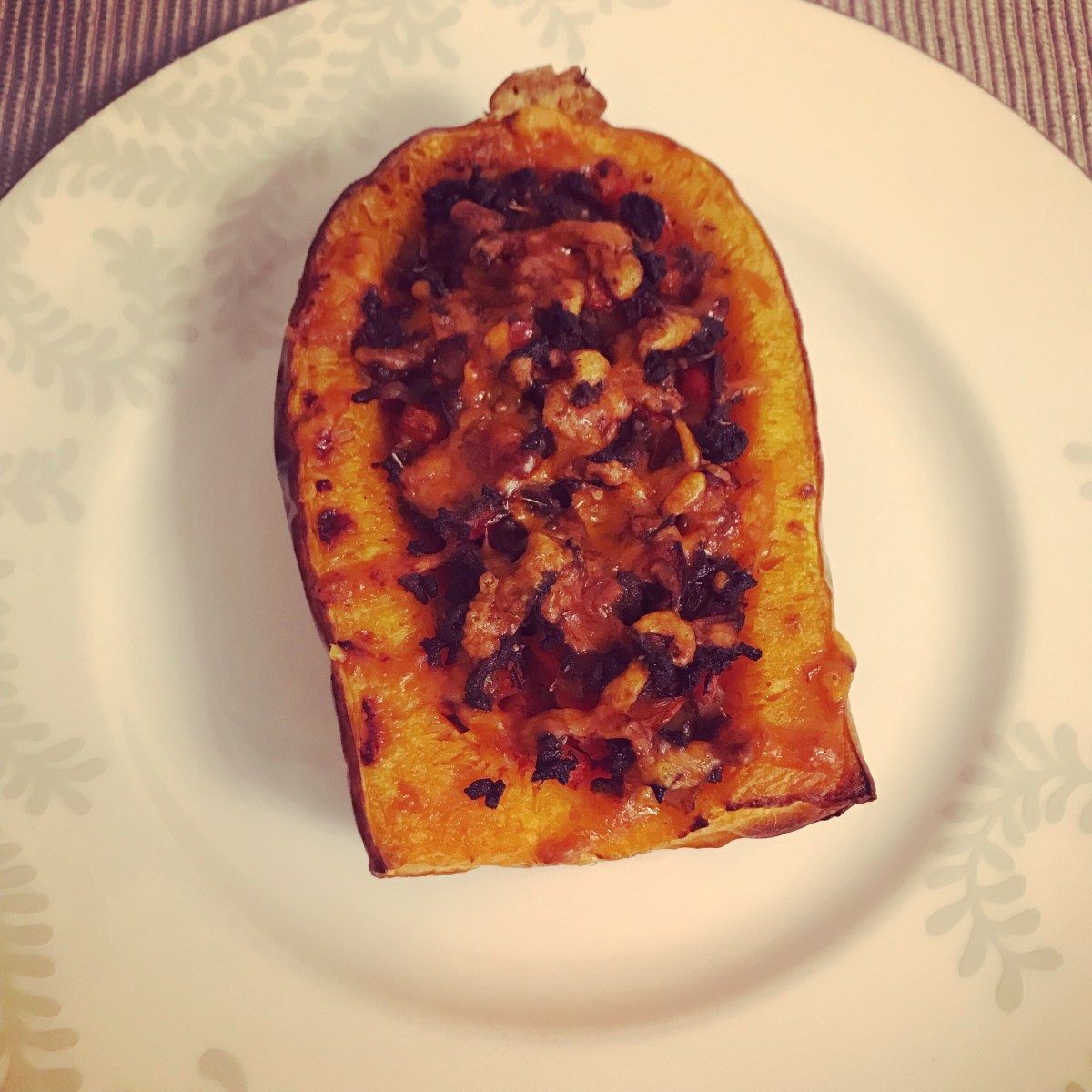
2. Cut the butternut squash into half (lengthwise). Deseed, and brush with olive oil. Fill with the mince beef filling, and top with grated cheese.

img_2259

3. Preheat the oven to 180°C / 360°F (fan), and cook for about 40 minutes.

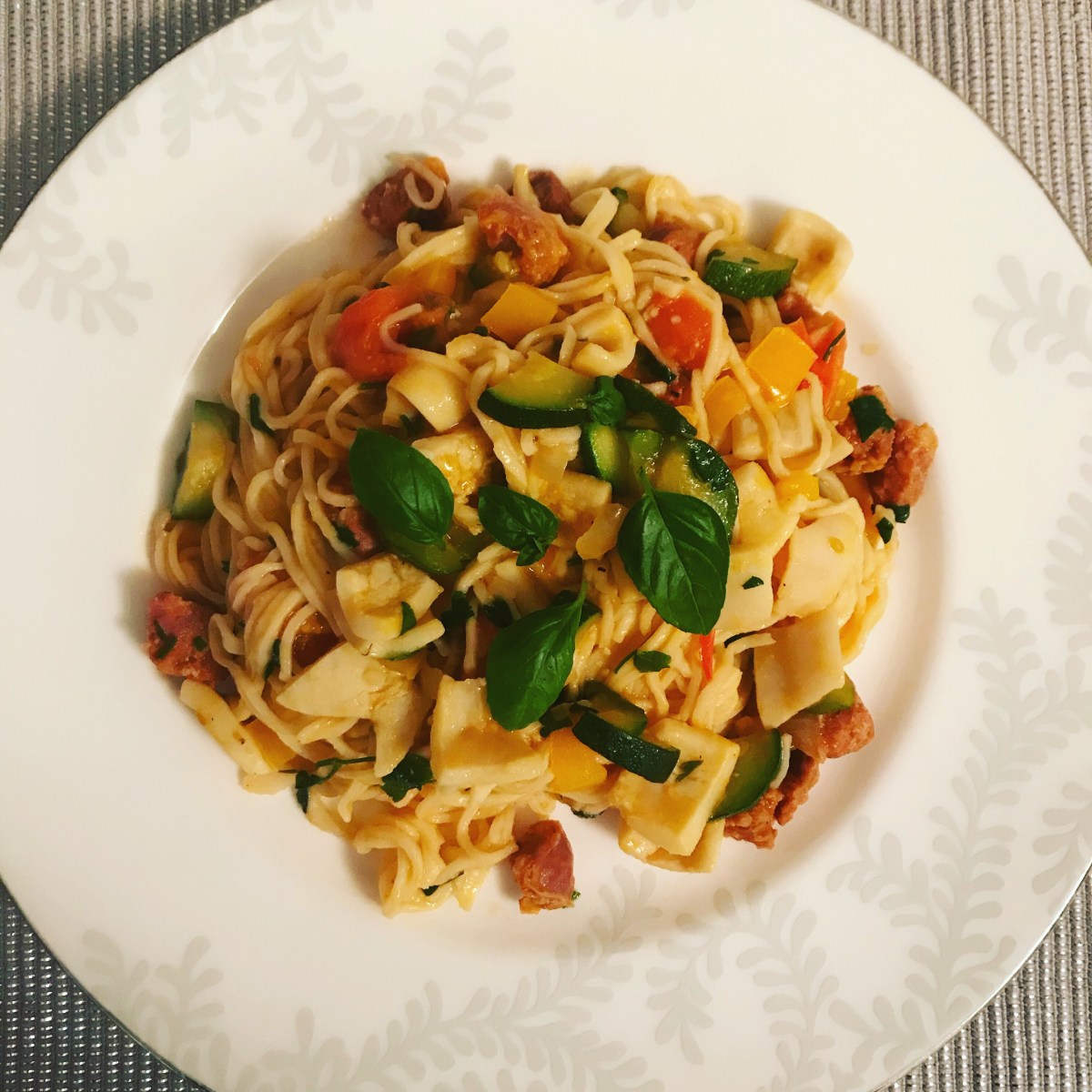
Spaghetti with squid and chorizo

Even though the weather in the UK has gone really cold, this dish has transported me right to the Mediterranean climate. Making the pasta for the spaghetti couldn’t be easier, it takes less time than chopping all the other ingredients. I would suggest to start with the pasta, as it can then dry a little while you prepare everything else.

250g pasta flour 00 grade
2 eggs
~~~~~
3 medium squid tubes
3 chorizo sausages
1 onion, finely chopped
3 cloves of garlic, finely chopped
1 red or yellow pepper
12 cherry tomatoes, cut in quarters
handful of parsley
1 courgette / zucchini
splash of olive oil
salt and black pepper
juice of 1 lemon


1.  Measure the pasta flour in a bowl. Make a well in the centre, and pour the eggs in. Then, starting with a fork, break the eggs and little by little mix the eggs with the surrounding flour. Once the dough gets firmer, move onto kneading by hand.

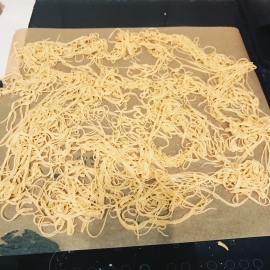
2. Divide the dough into two pieces. Flatten the pieces with your hands, and roll through the pasta machine, on the biggest setting. Fold the dough over in half, and roll through the same setting again. Then reduce the setting to the next, and roll through. Repeat until desired thickness is achieved. Next, using the spaghetti cutting roller part, cut the pasta sheet into spaghetti. Then, leave to dry while you prepare the rest.

img_2358

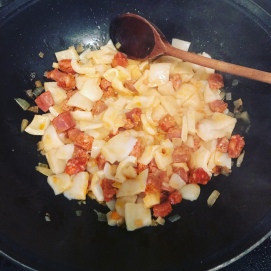
3. Prepare all the other ingredients. Heat olive oil in a pan, and fry the onions, squid and chorizo for few minutes, until cooked.

img_2361

4. Add the garlic, pepper and courgette. Fry for few minutes. At the same time, boil water with salt added, and put the spaghetti in. Boil for about three minutes, then drain.

5. Add the tomatoes and lemon juice, and season with salt and pepper. Add the spaghetti, mixing everything together. Lastly stir in the parsley.

img_2355