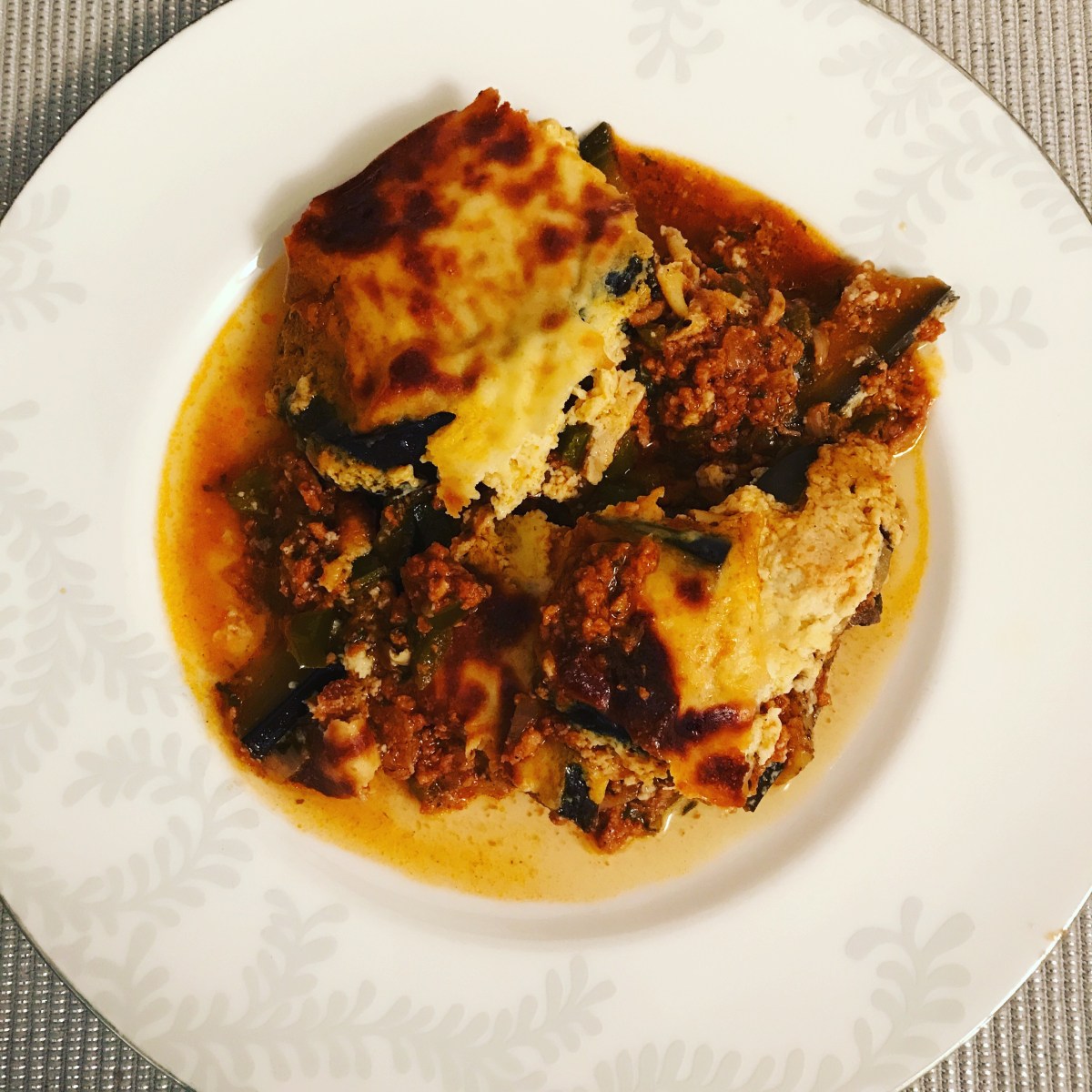
Moussaka

Greek food somehow seems to often get forgotten in my kitchen, as well as when dining out. There is no particular reason for it, but it just doesn’t seem to be an obvious first choice. Apart from moussaka that is, which is a dish I make quite regularly.

3 aubergines (eggplants)
~~~~~
2 medium onions
3 cloves of garlic
2 green peppers
bunch of parsley
50ml olive oil
25g butter
2 tsp salt
2 tsp ground black pepper
1 tbsp oregano
1 dl tomato puree
4 dl water
500g minced lamb
~~~~~
3 dl milk
2 1/2 tbsp plain flour
pinch of salt
2 eggs

1. Finely chop onions and parsley. Cut the green peppers into small pieces.

2. Fry the onions in the oil until translucent. Add the chopped green peppers and parsley, squeeze in the garlic and fry for 5 minutes.
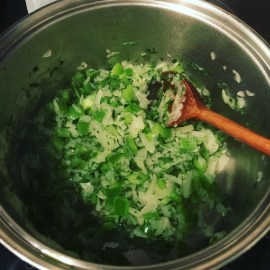
img_1190

3. Add butter, salt, pepper, oregano, tomato puree, water and the lamb. Cook for 15 minutes, stirring occasionally. Check the taste, add more salt and pepper if required.

img_1191

4. Mix the flour with the milk, and heat until the mixture thickens. Pour the eggs in whilst mixing, and season with salt.

img_1192

5. Cut the aubergines lengthwise, to about 1cm thick slices. Use half of them to layer bottom of an oven casserole dish. Add the lamb mixture, and put a layer of aubergines on top. Pour the white sauce over everything.

img_1197

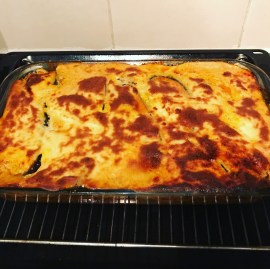
6. Cook in preheated oven 190°C / 375°F  for 45 minutes.
img_1202


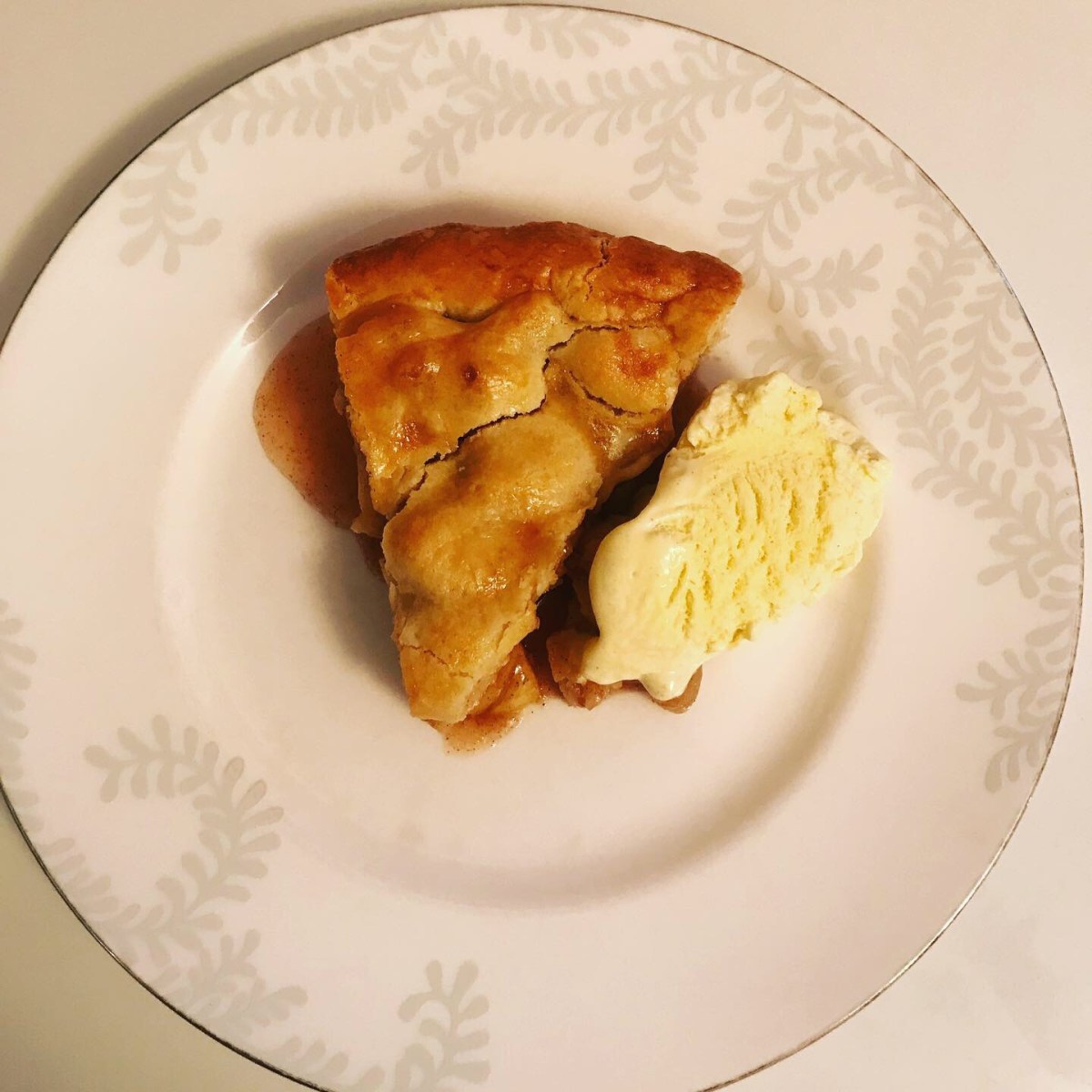
Apple pie

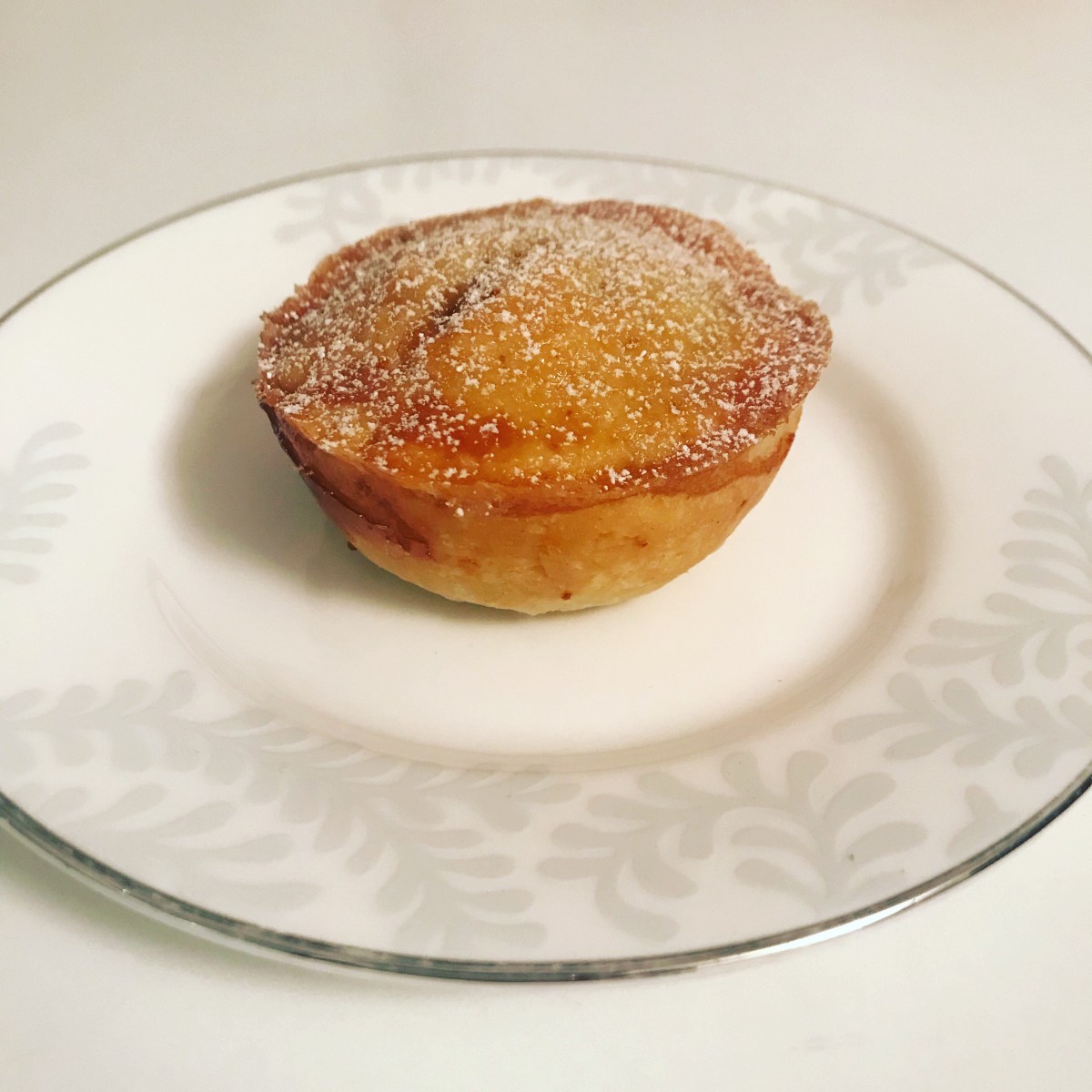
There are probably as many apple pie recipes, or variations of recipes, for this favourite dessert of many nations, than there are chefs and home cooks. The below recipe is one I like. Some people prefer more filling to pastry, some like more pastry. I think this recipe gives you enough of both.

Pastry
225g butter, room temperature

50g caster sugar, plus a little bit extra for sprinkling on top
2 eggs
350g plain flour
~~~~~
Filling

1 kg Bramley apples
150g caster sugar
1 tsp cinnamon
3 tbsp plain flour

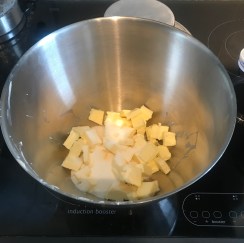
1. Prepare the pastry first. Beat the butter and sugar together in a bowl until mixed. Add one whole egg, and one yolk, and save the remaining egg white for later. Beat together for one minute.The mixture will look a little bit like scrambed eggs at this point. Then add the flour little by little. Tip the dough onto floured surface, and finish working the dough by hand. Form the dough into a ball, wrap in cling film and chill in the fridge for 45 minutes.
img_6403

2. Whilst the dough is in the fridge, prepare the apple filling. Quarter, core, peel and slice the apples. You want the slices to be quite thin, about 5mm thickness. Lay on a baking paper, and cover with paper towels. Let dry for about 30 minutes.

3. Mix the sugar, cinnamon and flour for the filling. Use big enough bowl, to be able to fit the apple slices later.

img_6410

4. Heat the oven to 170°C / 340°F. Cut 2/3 of the dough for the base, leaving the remaining third for the lid wrapped. Roll the base out, to be big enough to cover the pie tin, with a slight overhang. It may be a good idea to place the dough between two non-stick baking paper sheets when rolling it. Place into the tin, and roll out the lid.

5. Pat the apples dry, and put into the bowl with the sugar – cinnamon mix, and mix together well, so that all the apple slices are coated with the mixture. Tip it all onto the pie tin. Wet the pastry rim with water, using your fingers. This will help the lid to stick. Place the lid over the apples, and press edges together with the base. Stab 5 slashed with a sharp knife, and brush with beaten egg white. Sprinle with some more sugar, and bake for about 45 minutes.

6. Once baked and golden brown, let rest for about 10 minutes.


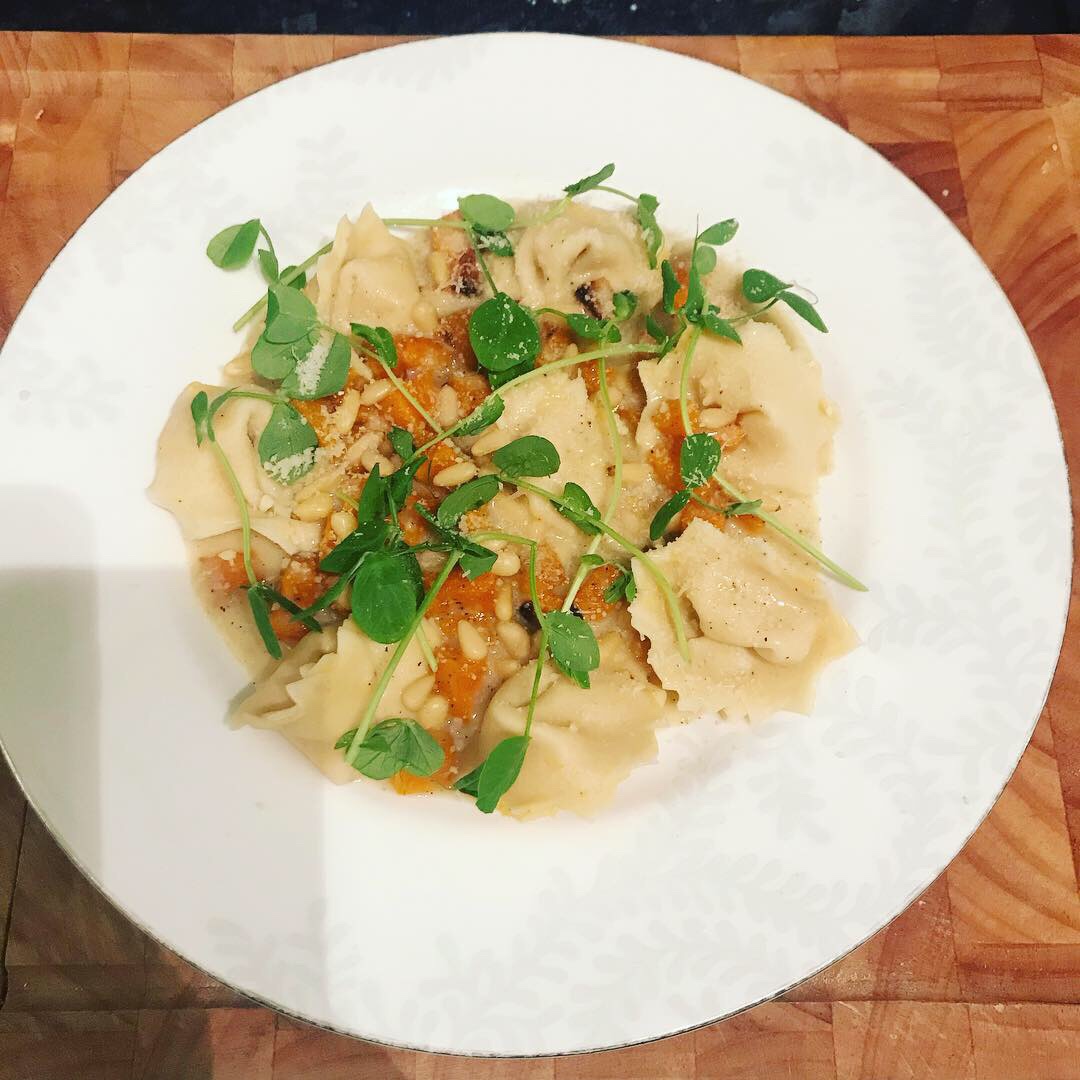
Butternut squash tortellini

I don’t often cook full vegetarian meals (I should try to do it more), but at the end of the day, as long as the food delivers on flavour, it doesn’t really matter what it is. These vegetarian  tortellinis filled with butternut squash definitely do just that.

Serves 4
1 butternut squash
250g fine white wheat flour (00 grade is best)
2 large eggs
3 cloves of garlic
3 sprigs of fresh thyme
1 onion
50ml double cream
50ml pine nuts
1tbsp olive oil
salt
black pepper

1. Peel and cut the butternut squash into cubes. Place half in a pot with two cloves of garlic and the thyme sprigs. Cover with a lid, bring to boil and simmer until soft (around 20-30 minutes), drain the liquid in another pan, saving it for later.

2. Peel and chop the onion, and place in the same pot the squash was cooked in, together with the olive oil. Heat and fry the onion for a few minutes. Squeeze one clove of garlic in, and fry for another minute or so. Remove the thyme sprigs and whole garlic cloves from the cooked butternut squash pieces, and add the butternut squash to the pan. Stir together, and set aside to cool.

3. Bake the remaining half of the squash pieces in a preheated oven 180°C/355°F for about 30-40 minutes, depending on the size of the pieces.

4. Prepare the pasta.  Measure the pasta flour in a bowl. Make a well in the centre, and pour the eggs in. Then, starting with a fork, break the eggs and little by little mix the eggs with the surrounding flour. Once the dough gets firmer, move onto kneading by hand.

img_2149

5. Once cooled, prepare the filling. Put the boiled squash pieces,  fried onion and garlic in a blender. Add half the cream and half the pine nuts, then blitz together. Add salt and pepper to taste.

6. Cut the dough into four pieces. Repeat the next stages with all pieces. Roll the piece to a cigar shape, then flatten the piece with your hands, and roll through the pasta machine, on the widest setting. Fold the dough over in half, and roll through the same setting again. Then reduce the setting to the next, and roll through. Repeat until desired thickness is achieved. I would say from 7 down to 2 should be fine.

7.  Cut your pasta. Brush half of the pasta round with egg, and add the filling (make sure it’s cooled). Fold the other half of the pasta over, and close with your fingers, pressing the pasta firmly together. Make sure you don’t leave air in.

8. Boil a large pan of water, with a generous amount of salt. Add the tortellini to the boiling water and cook for 5 minutes.

9. Bring the saved cooking water of the butternut squash to boil in a separate pot. Reduce to about half. Season to taste with salt and pepper, and add 25ml double cream. Mix the oven roasted squash pieces into the sauce.

10. Serve the tortellini and the sauce together with the rest of the pine nuts sprinkled on top, and with some pea shoots and grated parmesan cheese.

img_5719

Lobster bisque

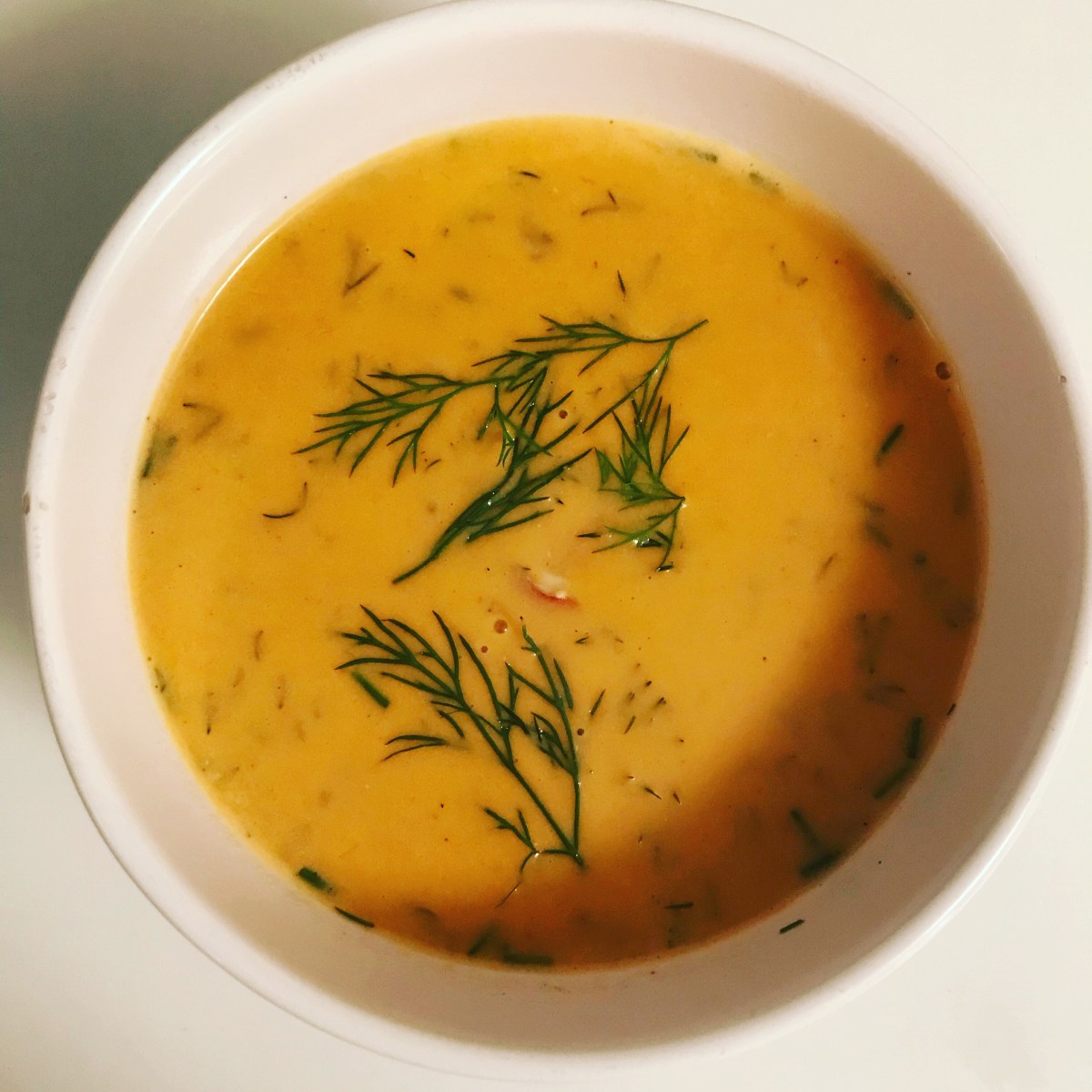
To make this food sing, you do want to make the effort. The shells of this crustacean are packed with flavour, so you must use them to your benefit. Lobster is an expensive ingredients, so this is perhaps something to make when you’re seriously trying to impress someone. This soup is very decadent and luxurious. Most of the meat will be used in the base of the soup, however you could save some of the meat to be eaten either on it’s own, or as pieces in the soup. It’s always satisfying to bite into a juicy piece of meat. I got my lobsters from the fishmongers already boiled. You can serve this as a main soup, or it works very well as a starter.

serves 6
2 fresh lobsters
1 onion
1 carrot
1 celery stick
2 litres water
2 tbsp tomato paste
200ml brandy
2 tsp sea salt
1 tbsp black peppercorns
2 bay leaves
3 garlic cloves
5 parsley stalks
25g butter
~~~~~
1 shallot
1 garlic clove
1 tbsp lemon juice
3 tbsp flour
150ml double cream
handful of dill, finely chopped
salt
black pepper

25g butter

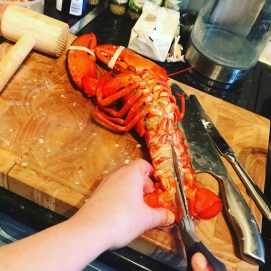
1. Cut the shell on the belly side, to remove the meat. Pull the tail part of the shell separate from the head. Discard what’s inside the head, but keep all the shell of the lobster. Set all of the tail and claw meat aside.

img_3240

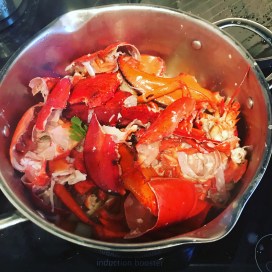
2. Place the butter and all other ingredients apart from the brandy and water into a large pan. Fry on medium to high heat, stirring, to ensure the shells are fried. Then, pour in the brandy, and let it bubble for a few minutes, then add the water. Simmer the stock for about an hour.

3. Melt the butter in another pan, and fry the shallots and garlic on a medium heat for couple of minutes, until the shallots are translucent. Add the flour, and stir together. Add the lemon juice, and start straining the stock from the shells. Keep stirring the mixture, to incorporate the liquid into the flour mixture. Little by little it will become thinner liquid.

img_3243

4. Once all the liquid had been used , place in a blender, together with the lobster meat, and blitz until smooth. Return to the pan, and add the cream and dill. Season to taste.

img_3244

Crêpes

Crêpes are a good, easy choice when you feel like you would like to treat yourself (or your family) to a sweet breakfast. All ingredients are part of most households’ basic cupboard, so this doesn’t require much pre-planning. And why not make a big enough batter to have some left over, to use for savoury galettes later?

makes 8 large crêpes
2 eggs
600 ml milk
250 ml basic wheat flour
1/2 tsp salt
2 tsp sugar
~ tbsp butter, melted, + extra for frying

1. Slightly whisk the eggs so that the yolks and the whites are combined together. Whisk in half of the milk. Then add the flour little by little, whisking in until all the flour has been added and the mixture is slightly thick batter. Mix rest of the milk into the batter, then add salt, sugar and melted butter, and whisk just to mix everything together.

2. Let the batter rest for about 15 minutes.

3. Give the batter a slight stir. For each crêpe, use a small piece of butter for frying. Melt the butter in a frying pan, and add a ladle (about 100ml) of batter into the pan. I have a large frying pan, and this amount works well. If your pan is smaller, less might be better.

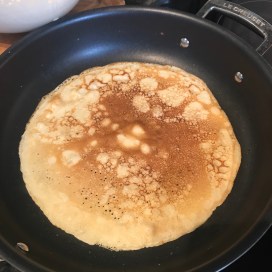
4. The first crêpe tends to take slightly longer to fry, than the rest of them, but generally it will take around 3-4 minutes to cook the first side, and around one minute for the second side, depending on heat. I use medium heat, and fry the first side one setting higher than the second side. When cooking the first side, when the batter has become firm on top, and the crêpe has normally gotten holes in the batter, you can start checking the underside to see whether it’s browned enough. Once the underside is nice golden colour, flip the crêpe over and fry the other side until nice colour.

img_5524

5. Serve with your choice of topping and enjoy!


Ultimate roast beef

I’ve been on a quest to find that perfect way to cook roast beef, so that it’s very tender, pink and juicy. I’ve been combining tips and tricks from different recipes, and I believe I have now gotten to where I want to be. This is how I will from now on always cook my roast beef. It will take time to cook, however roasting it at such low temperatures should guarantee a perfect result every time. It will really help to use a meat thermometer.

1.6 kg beef roasting joint (I use rump)
2 litres of Pepsi or Coca Cola (I use Pepsi Max)
~~~~~
1 tbsp coarsely ground black peppercorns
2 tsp sea salt
leaves from a few sprigs of fresh thyme
2 tbsp olive oil

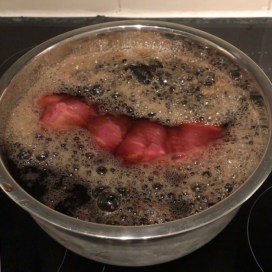
1. Cover the beef with the cola, then cover with cling film and put in the fridge over night.

img_5419

2. Remove the beef from the cola, and dry with kitchen tissue. Mix the coarsely ground peppercorns, salt, oil and thyme leaves together, then massage the mixture onto the beef. Keep in the room temperature for few hours.

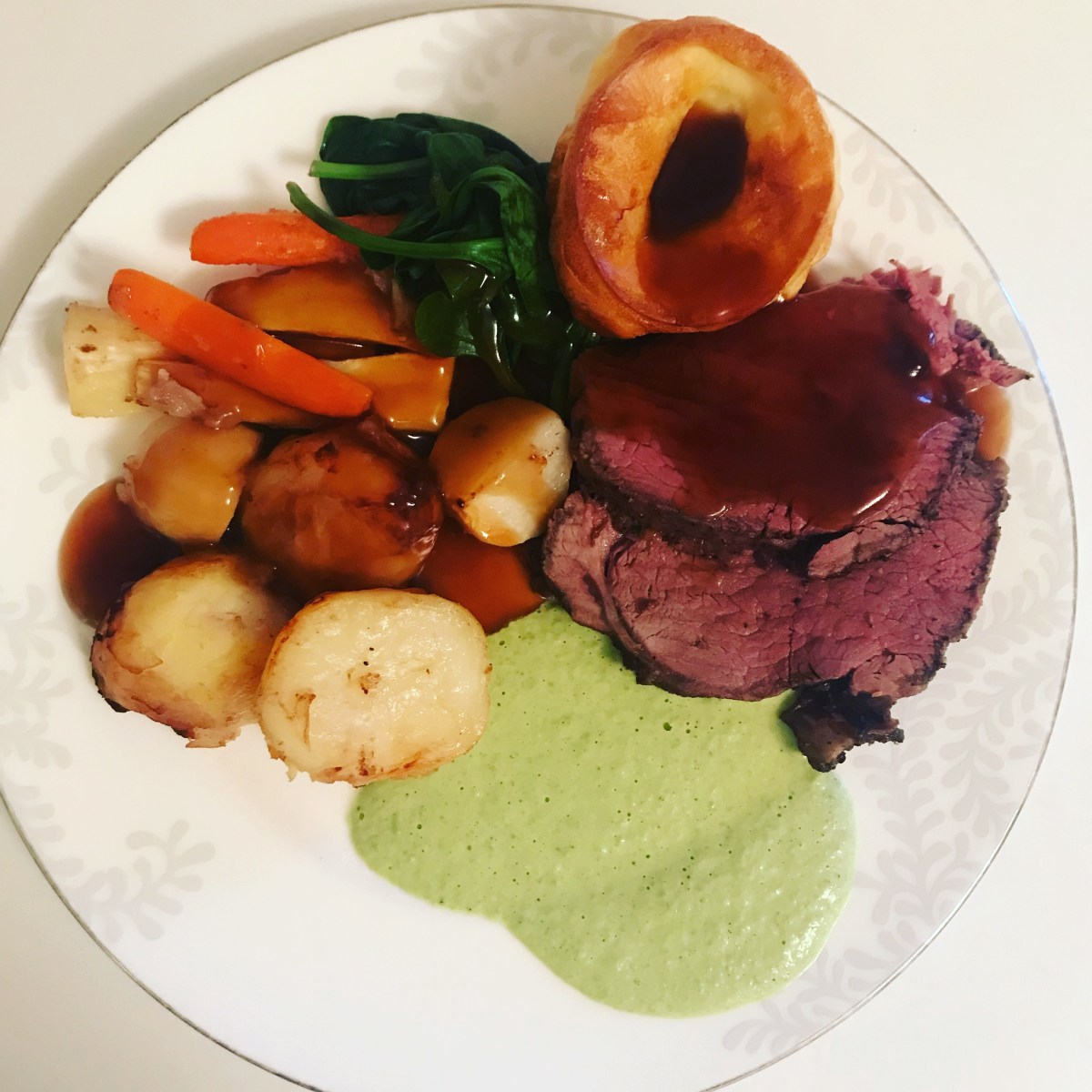
3. Preheat oven to 80°C / 176°F. Place the meat thermometer in a way that the tip is right at the centre of the meat. Put the beef in the oven, and roast until the inside temperature reaches 60°C / 140°F. For this size roasting joint it will take around 3.5 hours.

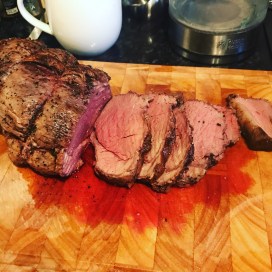
4. Remove from the oven, and wrap in few layers of foil and a cloth, then rest for 15 minutes, before carving.

img_5417

Pan seared, oven roasted pheasant

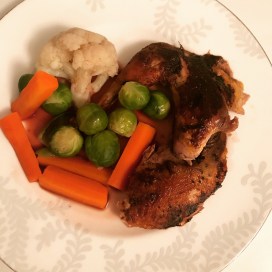
Pheasant is smaller than chicken, however not as small as some other game birds are, so one should be enough for two people. It’s pretty simple to cook, and a portion of half the bird (breast and leg) will be about 300 kcal, which is around the same as a large chicken breast. Noticeably gamey flavour, so a nice change to the usual chicken.

1 whole pheasant
1 tbsp vegetable oil
100ml red wine (I used Pinot Noir)
50ml port wine
1-2 sprigs of fresh thyme
2 juniper berries
sea salt
black pepper

1. Preheat oven to 180°C / 355°F. Heat the oil in a ovenproof frying pan, and place the bird in the pan on it’s side, to fry the leg for 5 minutes. Turn to the other side, and repeat.

2. Turn the bird so that the breast side is facing down, and fry for another 3 minutes. Season withcouple of piches of sea salt, and some black pepper. Place in the preheated oven, and roast for 15 minutes. Turn the bird so that ast side is now up, season again and roast for another 15 minutes.
3. Take the pan out of the oven, and lift the bird out of the pan, on double layer of foil. Wrap the bird with the foil. I also tend to put a layer of kitchen towel around it while it’s resting, so that it doesn’t get cold whilst making the sauce.

4. Remove the fat from the pan. Add both of the wines, thyme sprigs and crushed juniper berries. I normally use fresh thyme, but as we recently came back home from abroad, and are going on another holiday very soon, I hadn’t bothered with buying fresh herbs. Bring to boil, and simmer until it’s reduced by about a third. Scrape the pan, to get all the flavours from the bird into the sauce. Strain through a sieve.

img_4999

Kinkku (gammon)

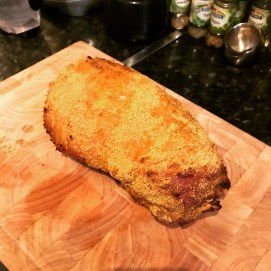
Gammon is the main star of the whole show in the Finnish Christmas table (nothing of course is stopping anyone cooking it other times too). The original one would be gray in colour instead of the pink in the picture, but unfortunately I’ve not been successful in finding a gray salted one in the UK yet. For the pink version, nitrate is added. It acts as a preservative, and gives the pink colour, however it’s considered to be pretty unhealthy. In the gray version, nitrate isn’t added. The key to getting a juicy piece of meat, as anyone practicing slow cooking of roasts already knows, is to cook the gammon at a very low temperature, for a very long time. It then gets taken out of the oven and cooled, coated and put back for a very high temperature for a short period of time. Traditionally, on the Christmas table the gammon is served cold. I tend to cook it the day before, and on the day of cooking have it also for dinner served warm. It’s perfectly fine to serve it both ways, which ever you would prefer.

1. Take the gammon into room temperature. Dry with kitchen tissue. I would recommend putting it in a roasting bag. Cut a small hole at one corner. Put a roasting thermometer in the cold meat, so that the tip is at the thickest part. If your meat has a bone take care not to touch the bone with the thermometer. The ideal inside temperature of the meat for putting it in the oven is 10°C / 50°F.

img_1719

2. Place some water at the bottom of an oven pan. Heat the oven to 100°C (fan) / 210°F. The aim is to achieve inside temperature of the meat of 77°C – 80°C / 171°F – 176°F. I tend to try to get to the lower end, for juicier result.

img_1720

3. Remove from the oven. Cut the bag off, as well as any strings or net around the meat. Let cool on a rack for half an hour to an hour. After this, Remove the skin, and most of the fat.

img_1723

4. Coat with mustard, and breadcrumbs.

img_1727

5. Heat the oven to 250°C / 480°F, and cook the gammon for 10 minutes.

img_1726

Mince pies

Mince pies are not part of my native culture, and I didn’t like them for a long time after moving to London, but since I started making these (to keep my husband happy) I have grown to like them. I think this recipe is a really good mince pie recipe. Making the mince requires you to be somewhat organized, as you want to leave it for a few weeks, before using it for the actual pies.
Mince
225g Bramley apples, peeled, cored and coarsely chopped/grated
110g sultanas
60g currants
60g dried cranberries
175g raisins
110g mixed candied peel
4 tbsp dark rum, whiskey or brandy
25g finely chopped blanched almonds
1 large orange, finely grated zest and juice
1 lemon, finely grated zest and juice
2 tsp mixed spice
1/4 tsp ground cloves
1/4 ground ginger
1/4 tsp ground nutmeg
110g shredded suet
175g dark muscovado sugar

Rum butter
125g butter, room temperature
50g light muscovado sugar
2 tbsp dark rum, whisky or brandy

Pastry
450g plain flour
180g butter, chilled and diced
50g lard, chilled and diced
finely grated zest of  1 orange
5-6 tbsp orange juice

Mince
1. Combine all mince ingredients apart from the muscovado and suet. Cook in a saucepan over low heat for 45 – 60 minutes, stirring occasionally, until the fruit has plumped up, the apples have broken down and excess liquid has evaporated.

2. Set aside to cool, then mix in the muscovado and suet. For adults version, I also tend to add some more alcohol at this stage (3 tbsp), as the cooking has burned all alcohol off.

3. Put in sterilized jars, and mature for 3-4 weeks.
Rum butter
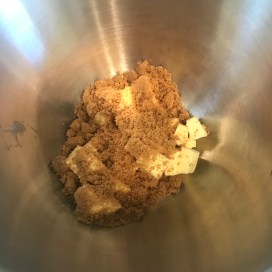
Whisk the butter and sugar together until pale and fluffy, then gradually beat in the rum, and set aside in the fridge.

img_4859

Pastry
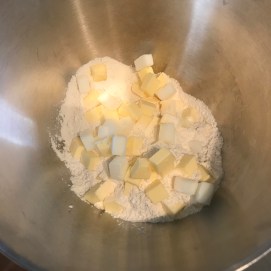
1. Put the flour, butter and lard, as well as a pinch of salt, into a food processor. Whizz briefly until it looks like breadcrumbs.

img_4853

2. Add the orange zest and juice, and whizz again.

3. Turn onto floured surface, and knead briefly, until smooth. Wrap in cling film and chill for 15 minutes.

The pies
1. Preheat oven to 190°C / 375°F.

2. Grease the baking tins with butter. Roll the dough to about 5mm thickness. I tend to cut out circles with two glasses. The bigger one for the ‘body’ of the pies, and the smaller for the lids of the pies. Place the bigger circles in the greased baking tins, forming the bottom and sides of the pie. fill with the mince mixture, and put a teaspoon of the rum butter on top. Then place the lid over, pressing the edges together with the edges of the other dough.

3. Make few punctures with a sharp knife, and brush with beaten egg, then bake for 20 minutes.

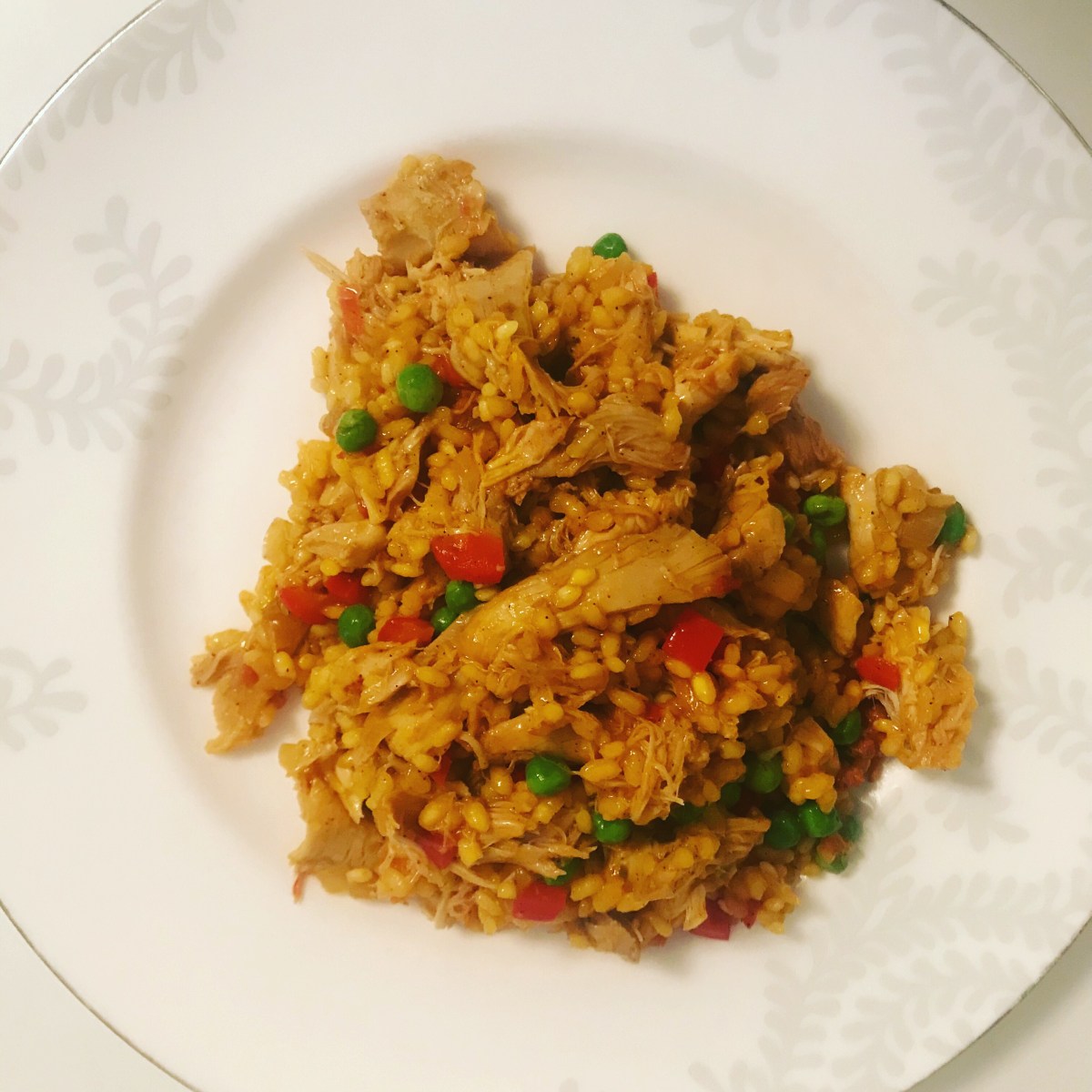
Chicken paella

Now that I recently started making paella (I never used to like paellas I tried), I now like them, and look forward to trying different versions. As with any cooking, I like making everything from scratch as much as possible. Since I started making my own chicken stock, I hardly ever use shop bought ones, as your own homemade one is so much better, making all your dishes better, too. To have a go at making your own, click here. I save the meat that gets left over from the making of the stock, and I used it for this paella, however using uncooked chicken for this paella is absolutely fine, they just get added at different stages.

serves 6

2 tbsp olive oil
4 cloves of garlic
1 large onion
1 small green finger chilli
1 red pepper
110g cooking chorizo
1 lemon, juice squeezed (or 2 tbsp. lemon juice)
2 dl frozen peas
250g Bomba paella rice
600 ml chicken stock
650g chicken
pinch of saffron
1 tsp black pepper
2 tsp paprika powder
1/2 tsp salt

1. Finely chop the onions, garlic and chilli. Heat olive oil in a large pan. Fry the onions until softened, and add the garlic and chilli. Also add the saffron and half the paprika powder.

2. Chop the chorizo (and chicken if using raw), and add to the pan. Fry for 5-10 minutes, until the chorizo (and chicken) are cooked.

img_4798

3. Add finely chopped tomatoes and pepper, mixing everything together.

img_4799

4. Add the paella rice, and stir together, then add the stock liquid. Stir, then simmer uncovered and undisturbed, without stirring, for 15 minutes. During this time, sprinkle the salt and black pepper on top.

5. Add the peas, and if using cooked chicken, the meat. Stir until warmed through. Add the remaining half of the paprika powder and the lemon juice.