BBQ sauce

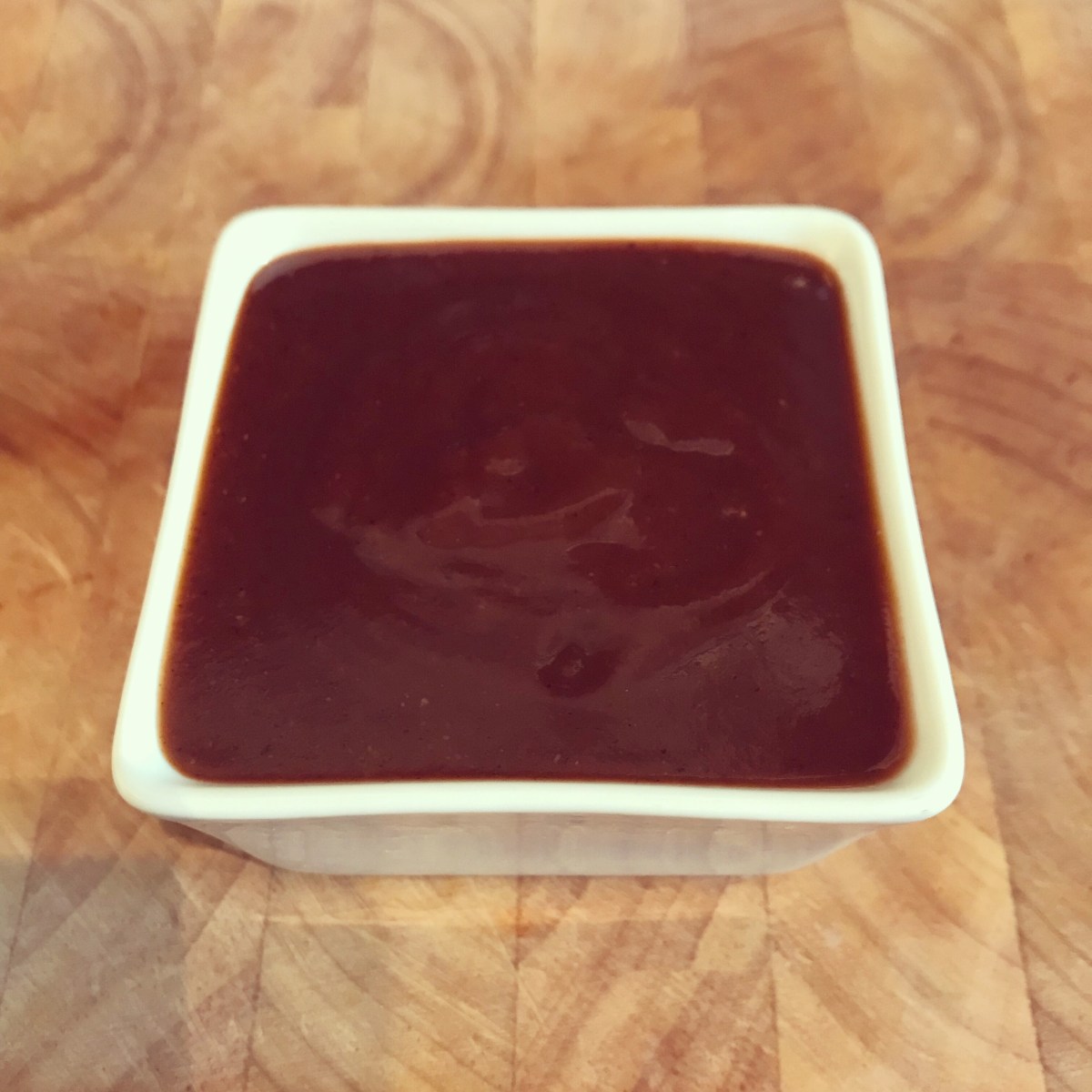
I don’t use BBQ sauce very much because I don’t really like the ones you can buy. So when I do  need it, I make my own, and it’s so much better than the shop bought ones! All you need to do is put all the ingredients together, simmer it for an hour whilst stirring occasionally, and voila! My recipe is with a little bit of heat to it. It doesn’t give you a huge amount, so you might want to double or triple the amounts (this amount is perfect for cooking beef short ribs for two).

120ml tomato ketchup
200ml water
2 tbsp apple cider vinegar
4 tsp dark brown muscovado sugar
1/2 tsp black pepper
1/2 tsp onion powder
1/2 tsp mustard powder
1 tsp lime juice
1 tsp Worcestershire sauce

Place all the ingredients in a pan and bring to boil. Immediately reduce to simmer, and keep simmering uncovered for an hour. Stir occasionally.

img_3264

Chicken stir-fry

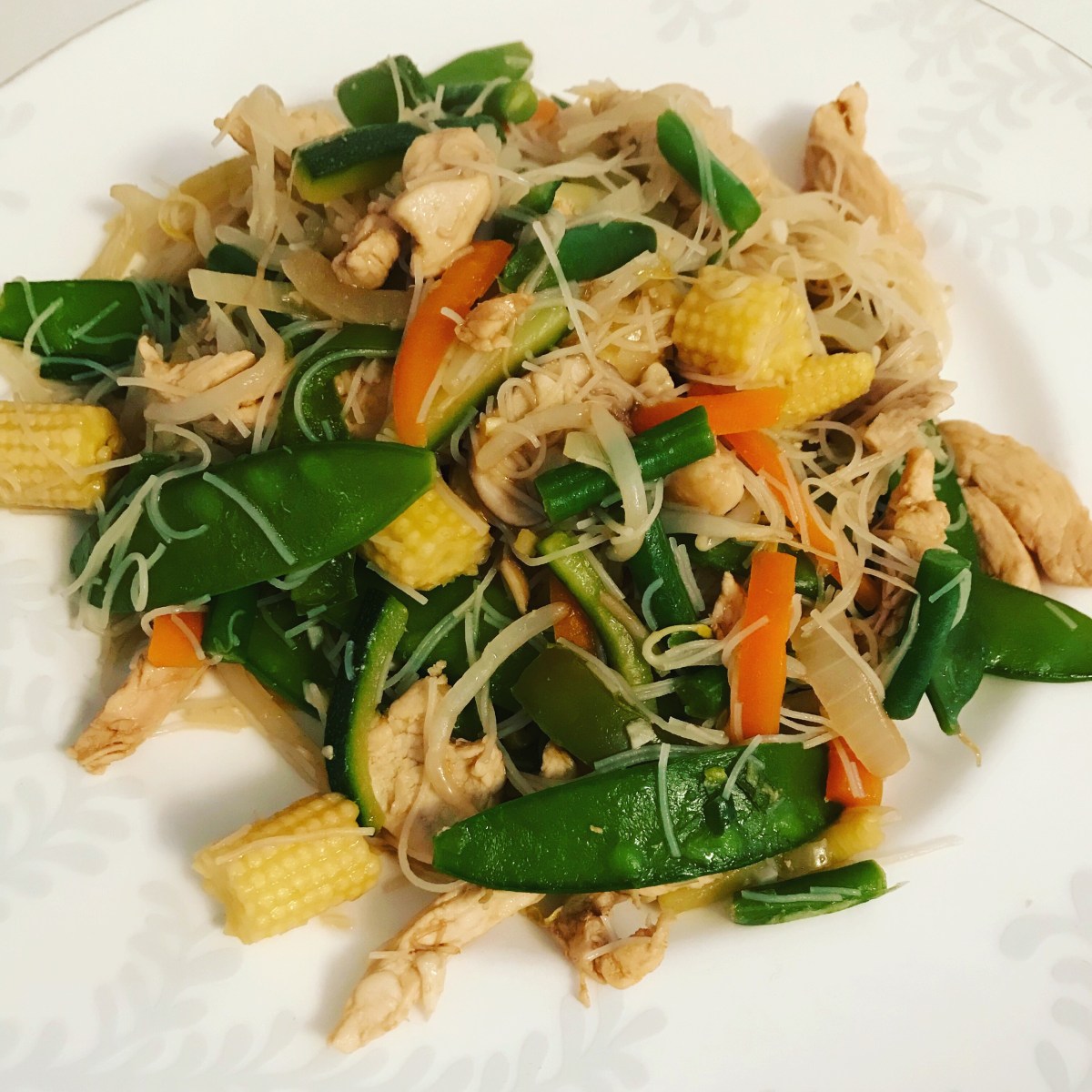
When you’re on holiday, eating out every day, you start feeling like you’re ready for that home cooked food again. And you know that coming back after being away for a couple of weeks, work will be pretty busy. This stir-fry dish is great, because I always make a really big portion that will last you for several day, whether you want to take it as lunch to work, or have it waiting at home for dinner after getting home late. This is one of my husband’s all time favourite foods that I cook, so it’s a winner all around. Packed with vegetables and other healthy ingredients, it’s also great at boosting your immune system.

2 large chicken breasts

1 carrot

1 green pepper

5 medium chestnut mushrooms

1 brown onion

1 courgette / zucchini

300g bean sprouts

100g green beans

150g mangetout peas

100g baby corn

3 small green chillies

a thumb size piece of ginger

100g cashew nuts

4-5 garlic cloves

150g dry noodles (I use vermicelli)

50ml groundnut oil

50ml toasted sesame seed oil

50ml dark soy sauce

1 tbsp light soy sauce

1 tbsp fish sauce

1 tbsp rice vinegar

1 tbsp lemon juice

I tend to chop all ingredients beforehand, because the actual cooking phase will be quite quick, and you won’t have time to chop the next ingredients. I usually have two containers; on box number 1 I put all the ingredients that require slightly longer cooking time, and box 2 the ingredients that will be added a little bit later.

1. On box no1, peel and slice the carrot in match-like sticks. Chop the green beans in about inch size pieces. Rinse and drain well the mangetout, and add to the box. Finely chop the chillies, and peel and finely chop ginger, and also add the cashew nuts to the box no1.

2. For the box no2, deseed and slice the pepper. Slice your onion and mushrooms, and cut the courgette into strips like the carrots. Cut the baby corn into pieces, and finely chop the garlic.

3. Cut the chicken breasts into thin strips. Heat the groundnut oil in a large wok, and add the chicken. Stir around for about 30 seconds – 1 minute, then add the ingredients from the box no1. Fry, stirring, for about 5 minutes.

4. Add the ingredients from the box no2 and stir. You’ll want to fry everything for about 5 minutes again. While doing this, boil some water, and pour over the noodles. You only want to soak the noodles (if using vermicelli) for 3 minutes. Do check the packaging for how long you need to soak the type of noodles you’re using. Drain the noodles well.

5. Add the bean sprouts to the wok, stir in for couple of minutes, then add the noodles. Add all the remaining liquid ingredients over the noodles, this will help you separate and stir the noodles into the rest of the dish more easily.

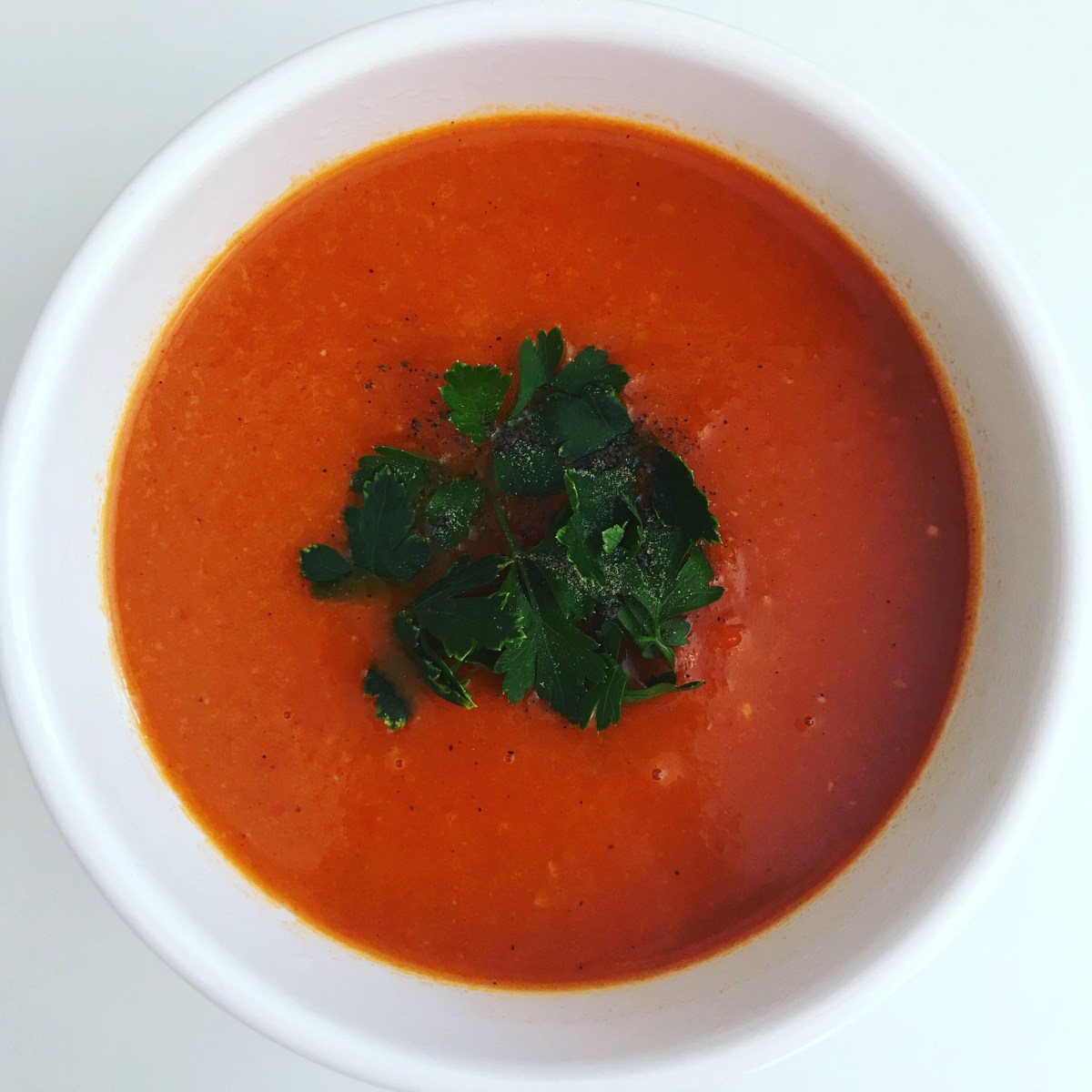
Roasted red pepper soup

This tasty soup is light and healthy, and just seeing the vibrant colour makes you want to tuck your spoon in.

5 red peppers
1 large onion
4 garlic cloves
450g tomatoes
900ml chicken stock, click here for recipe (or for vegetarian version, vegetable stock)
2 tbsp balsamic vinegar
3 tbsp olive oil
salt
black pepper

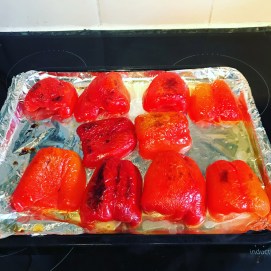
1. Cut the peppers in half, and core and deseed them. Place on a foil lined oven tray, skin side up. Brush with 2 tbsp olive oil, and grill under medium to high temperature for about 10 minutes, until the skin is getting black, and peppers soften. Remove from the oven, wrap in the foil and let cool for about 10 minutes.

img_2692

2. Boil some water. Dip the tomatoes in the water for about 30 seconds, and take them back out. We are not cooking them at this stage, this will just allow for the skin of the tomatoes to come off easily. Peel and chop the tomatoes.

3. Peel and roughly chop the onions, and peel and finely chop the garlic. Fry the onion in 1 tbsp of the olive oil for 5 minutes until they become translucent, then add the garlic and fry for 1 minute. Add the tomatoes, stock and vinegar.

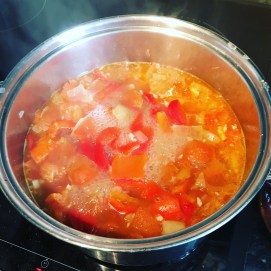
4. Peel the blackened skin off the cooled peppers, and roughly chop them. Add to the other ingredients and bring to boil. Cover with a lid, lower the temperature to simmer, and cook for 30 minutes. Set aside to cool, then purée into a smooth soup.

img_2693

5. Pour the soup back in the pan, re-heat, and season to taste.

Crab risotto

I went on a wild goose chase trying to get uncooked crabs for this dish. It seems it’s something people don’t ask for much around where I live, so I in the end had to get cooked one from my fishmongers. I would have steamed mine, to have sweeter meat, the ones I bought were boiled (I think boiling is the more common method). A word of warning thought, if you’re not used to handling crab, and taking the meat out yourself. It is pretty fiddly! Now, I could’ve also bought crab at the fishmongers, where the meat had already been taken out, served on the big back shell (this excludes the claws and legs). I, however wanted all the pieces of shell, for making the stock, to use it in the risotto.

Crab stock
1 large crab, all the shells once the meat has been removed
1 onion
1 celery stick
1 carrot
4 garlic cloves
2 bay leaves
1 tbsp black peppercorns
2 tsp sea salt
2 stalks of parsley
3 stalks of thyme
150ml brandy
2 litres water
1 tbsp tomato paste
~~~~~
Crab risotto
250g uncooked arborio risotto rice
150ml dry white wine (I use Sauvignon Blanc)
1 shallot, finely chopped
2 garlic cloves, crushed
1 celery stick, finely chopped
2 bay leaves
3 tbsp olive oil
25g butter
salt
black pepper
handful of chopped dill
meat from 1 whole crab
800ml stock (made from the shells)

1. Pull the claws and legs out of their joints. A good way to do this is twisting (rotating the whole joint) and pulling out at the same time.

2. Remove the meat from the crab shell. This can be fiddly and time consuming. Make sure you scoop out all the cavities of the mid-body, legs and claws. Also, there can be cartilage pieces inside bigger pieces of meat, holding the meat strands together, make sure to check and remove these.

3. Place the shells (including the mid-body carcass), onion, garlic, celery, peppercorns, carrot, bay leaves, parsley and thyme in a large pan with the splash of olive oil, and fry for about 5 minutes until it starts getting fragrant. Add the brandy, and bring to boil, until the mixture doesn’t smell of alcohol anymore. Add the water, salt and tomato paste. Bring to boil, and boil uncovered for about an hour.

4. Strain through a fine sieve. I would recommend using an additional piece of muslin, to leave all the muck behind, and getting a very nice, fine stock. When straining the stock through, you will need to keep scraping the bottom of the sieve with a wooden spoon, as the muck will collect at the bottom, stopping the liquid draining through.

~~~~~

5. Place the oil, butter and shallots in a pan, and fry for 3 minutes, until translucent. Add the garlic, celery and bay leaves, and fry for 1 minute.

6. Tip all the rice in, and stir, to coat it all in the oil / butter mixture, for about 3-5 minutes. Add the white wine and let it bubble, stirring the rice.

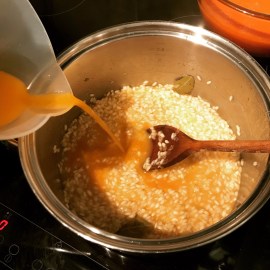
7. Little by little, start adding the stock, stirring the rice until the liquid has disappeared, then adding more.
img_2690

8. Once all the liquid has been used, stir all the crab meat in. Season to taste, and stir some cut dill in.

img_2683

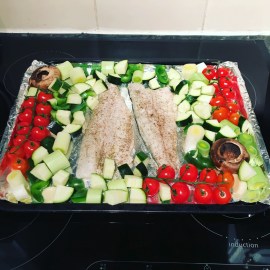
Easy oven grilled sea bass and vegetables

This kind of easy and quick one pan food is perfect for those long busy days, when you want your dinner to be ready super quickly, and without much effort. Sometimes I fry the fish skin side down in a frying pan first, for the crispy skin result, however this time I wanted to put the least possible amount of effort in, and grilling alone is also healthier than pan-frying it first.

serves 2
2 sea bass fillets
1 courgette / zucchini, chopped
2 -4 chestnut mushrooms, whole or quartered
1 medium to large leek, chopped to large pieces
6 cloves of garlic
vine tomatoes
1/2 pepper, chopped into large pieces
olive oil
salt
black pepper

1. Place all ingredients on a oven tray lined with foil. Drizzle some olive oil all over the fish and vegetables, and season the fish with salt and pepper.

img_2629

2. Preheat the grill to medium heat, and bake the fish and vegetables for about 15 minutes.


Rhubarb and strawberry tart

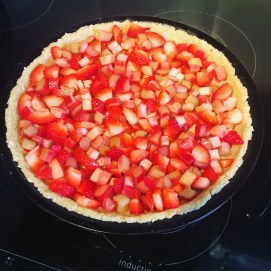
I’m more of a savory than a sweet kind of cook. I was inspired to make this sweet tart by the British Pie week, that’s been trending on Twitter. Before you get too confused though, the Finnish name for this kind of thing is a ‘pie’, which is why I thought of making it, before properly considering that in fact it’s more of a tart. I would however say pies and tarts are cousins, and I think this is a good enough entry to the pie week from me.  It’s very easy and simple to make, and you can easily change the filling ingredients to your taste.

Pastry
150g butter
1 dl sugar
1 egg
2 dl plain flour
2 dl porridge oats
2 tsp baking powder
~~~~~
Filling
200g rhubarb (about 4 stalks, depending on size)
300g strawberries
1 tbsp sugar
2 dl crème fraiche
1 egg

1. Mix all the pastry ingredients together. Spread the mixture at the bottom and sides of your dish.

img_2589

2. Chop the rhubarb and strawberries into small pieces. Pour over the pastry, to fill the tart / pie. Sprinkle the sugar on top.

img_2590

3. Mix the egg with the crème fraiche. Pour the mixture over the strawberries and rhubarb.

img_2591

4. Heat the oven to 200°C / 390°F. Place the tart into the preheated oven, and bake for 30 minutes.

img_2592

Easy chicken and rice

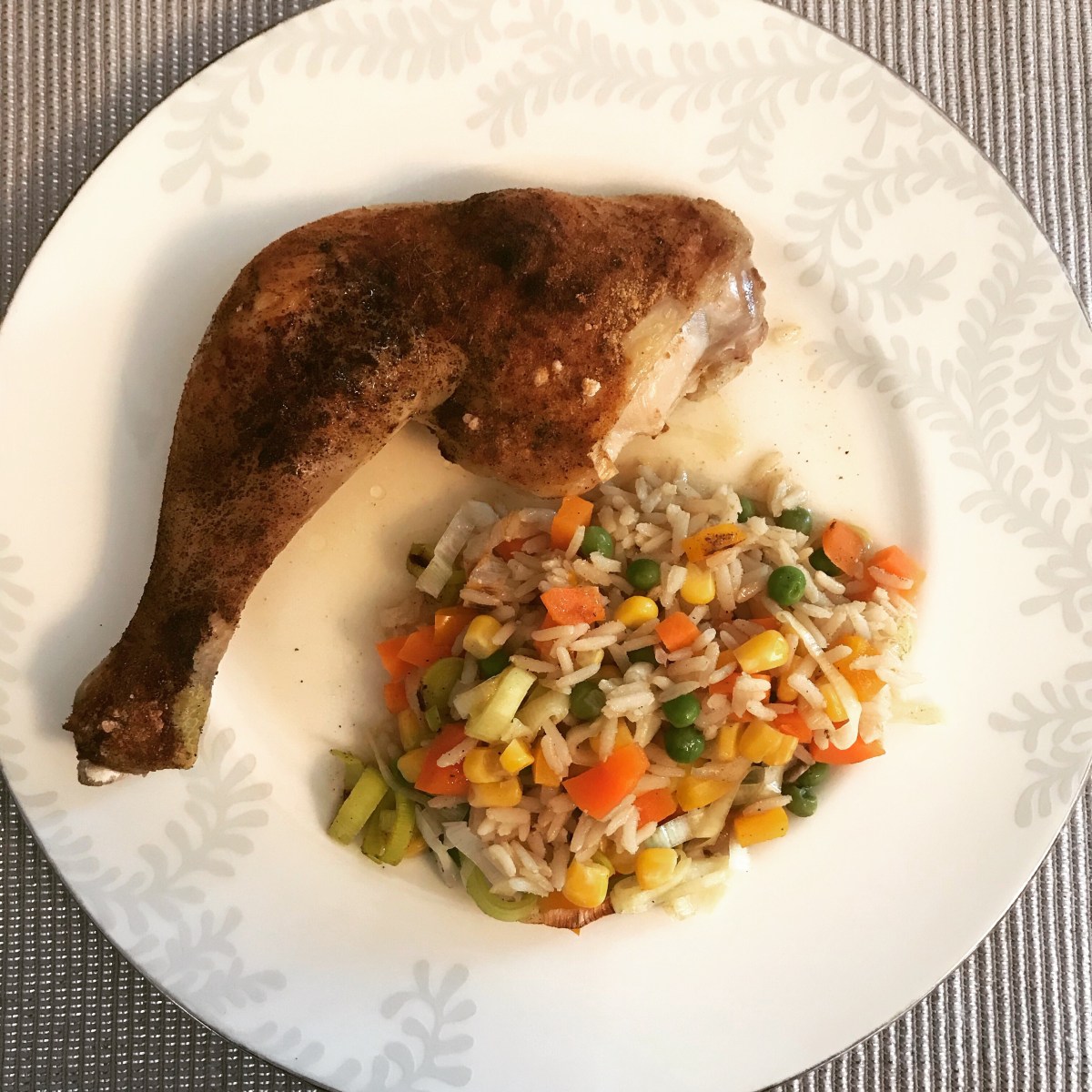
This easy and cheap chicken and rice dish is perfect for the days when you have a lot to get on with around the house and don’t want to spend a long time preparing and cooking food. This is all cooked in the same oven casserole dish, and all the ingredients are put in together at the same time. Thee cooking juices from the chicken, together with the spices, make the rice really tasty, with hardly any effort.

serves 4
4 chicken legs
2 dl uncooked rice grains
1 dl frozen peas
1 dl frozen sweetcorn
1 carrot, peeled and chopped into small cubes
1/2 pepper
1/2 leek, cut into rings
4 dl water
1/2 tsp salt
black pepper
fenugreek
cayenne pepper

1. Spread the uncooked rice at the bottom of your oven casserole dish. Add the peas and sweetcorn, and the prepared carrot and leek.

img_2579

2. Place the chicken legs on top, and generously sprinkle the spices over the casserole dish. Add the water, and cover with foil.

img_2580

3. Heat the oven to 200°C / 390°F. I like my chicken to have crispy skin, so I bake it first, then finish it off with a grill setting. Bake in the oven for about 35 minutes. Remove from the oven, and turn the grill to high setting. Remove the foil, and grill for 15 minutes.

Stuffed cabbage rolls

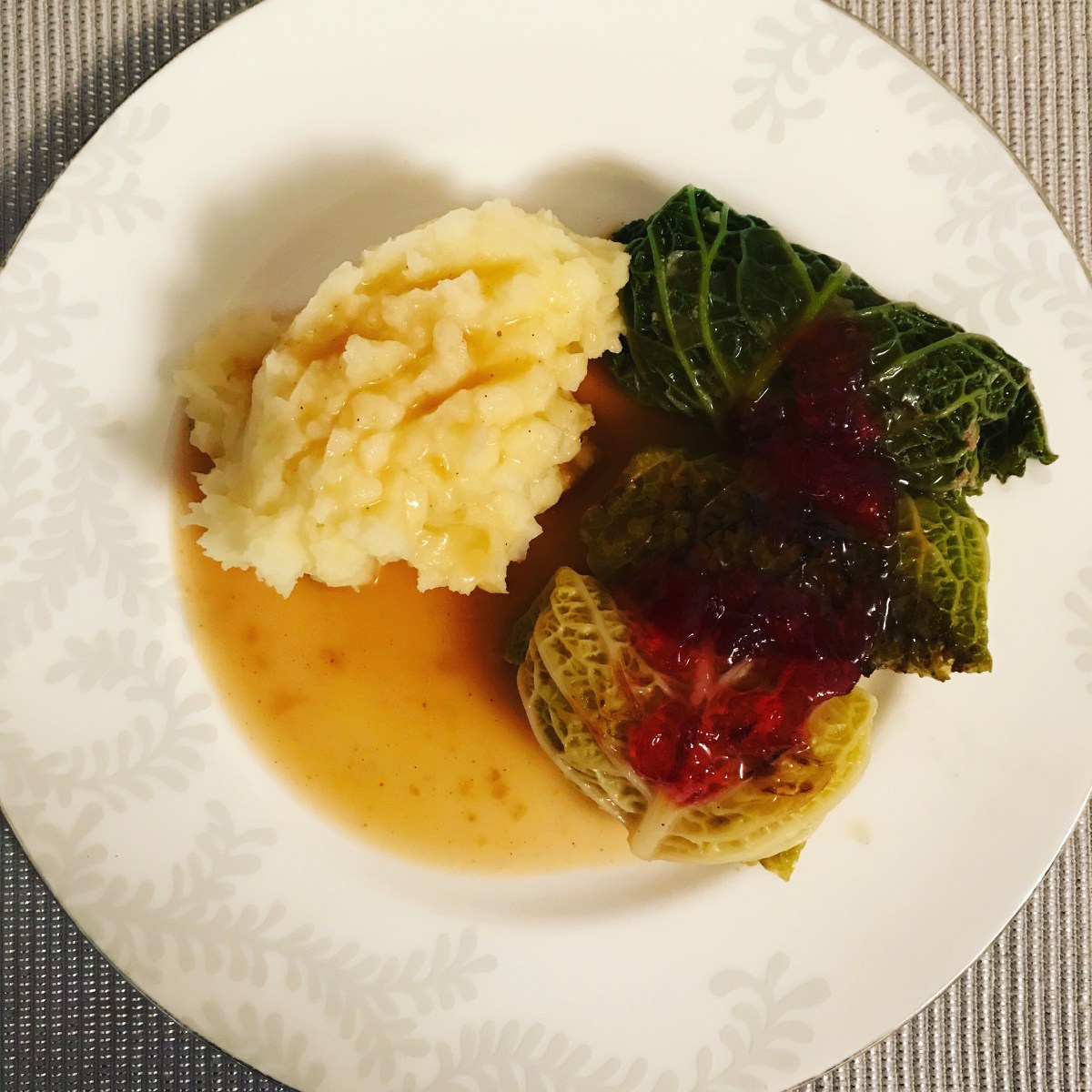
When my husband heard the word cabbage mentioned in the same sentence as dinner, I could see he was quite sceptical. I’m glad he did actually enjoy the end result though, and has eaten the leftovers for separate meals since too. There are two variations of this very Finnish food. Stuffed cabbage leaf rolls, and a casserole, where the ingredients are layered in an oven casserole dish, and baked in the oven. The rolls require more work , and the casserole is easier to make. I normally make the casserole, but wanted to try the rolls this time. You would normally use white cabbage, however I wanted to try whether savoy cabbage would work. In terms of flavor it was absolutely fine, however I think white cabbage leaves will work better for the rolls as the savoy cabbage leaves are more fragile, therefore more difficult to use.

1 white cabbage
salt, 2 tsp per 1 litre of water, used for cooking the cabbage
250g mince beef
1 egg
1 tsp
salt
a splash of
white pepper
1/2 dl uncooked
rice, cook in 2 dl water
cooking liquid of the cabbage
~~~~~
Sauce
2 dl cooking liquid of the cabbage
2 dl beef stock
2 tbsp plain flour
salt
pepper

1. Use a knife to cut out the hard core of the cabbage. Boil in salted water until the leaves soften. Take the cabbage out of the water and drain. remove the leaves on at a time, then let cool. Shred / finely chopped the small inside leaves, as they will be used in the stuffing. Keep the cooking liquid.

img_2514

2. Cook the rice, rinse with cold water and let drain. Mix the cooked rice, raw mince beef, finely chopped cabbage, spices and egg together. Add 1/2-1 dl of the cooking liquid.

img_2515

3. Put a bit of the stuffing on the cabbage leaves. Turn the end of the leaf over the stuffing, then the sides, and roll.

4. Melt some butter in a pan, and fry the cabbage rolls until browned. Add some cooking liquid to the pan, cover with a lid a let cook for about 30 minutes.

img_2519

5. Measure the cooking liquid and beef stock in a pan. Mix the flour separately with additional 1/2 dl of the cooking liquid, and stir until fully mixed with no lumps. Pour into the pan. Cook, stirring. Check taste and season if necessary.

6. The cabbage rolls are typically served with lingonberry jam. On this occasion, however, I’ve served them with my father’s homemade rowan berry jam.

img_2521

Yakitori chicken skewers

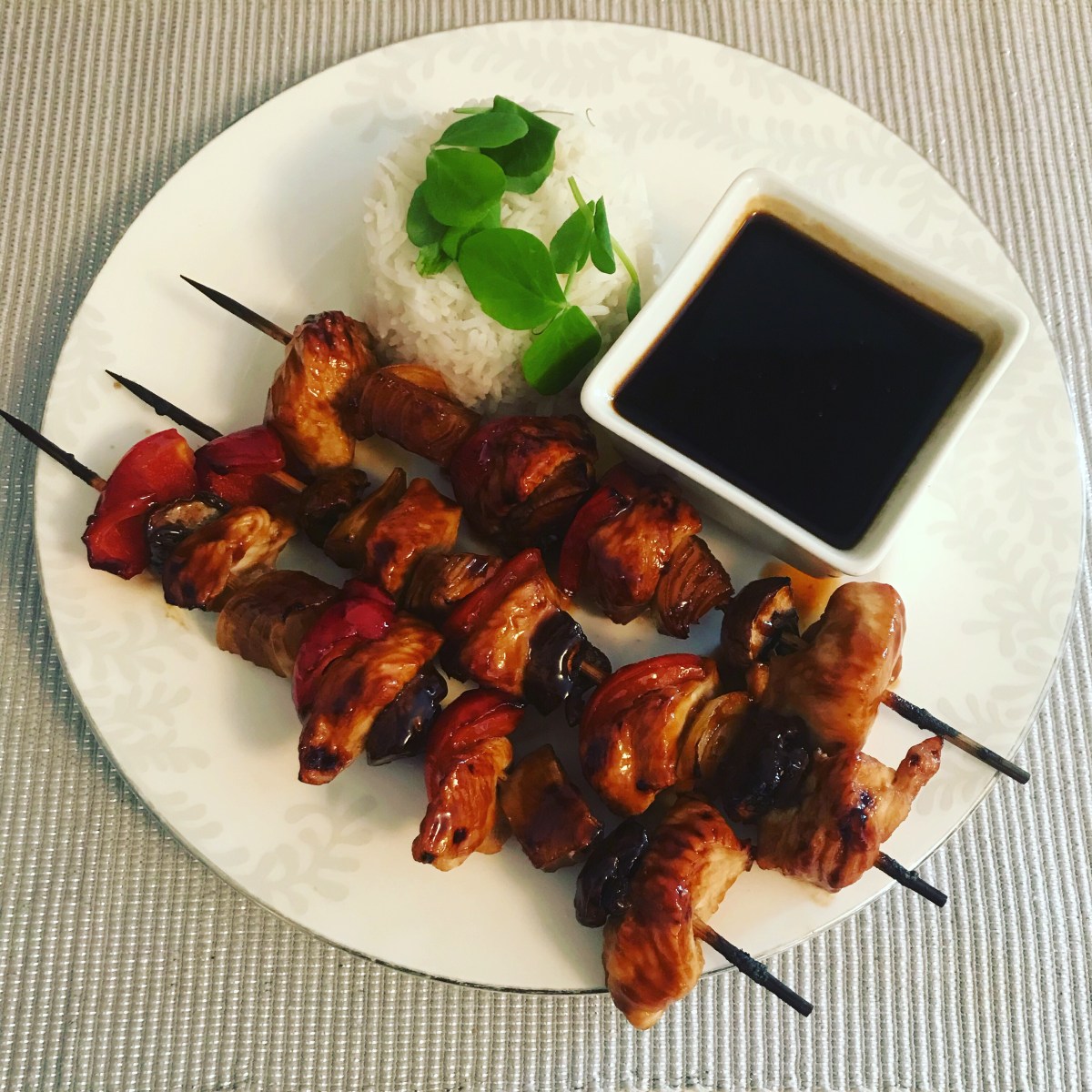
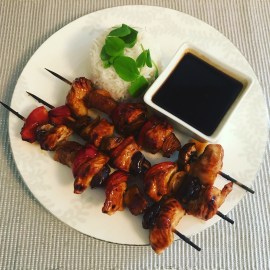
The good thing about being open to experimenting with all kinds of cooking and holding a pretty varied basic stock of ingredients is that your options are limitless, with little prior planning required. I often give my husband options he can choose from, from the basic ingredients (ie chicken). After choosing the main ingredient, he might sometimes say he’d like it a certain way. So today’s chicken became Japanese style food, which was different to what I had originally though for the particular meat, however  I’m now pleased I went for this option, as I’ve not cooked this in a while. I think people might be put off cooking foods from different cultures because it seems to be the unknown. Some might be concerned that there are difficult cooking techniques involved, as well as strange ingredients. I would say that often this doesn’t need to be the case. For example, with this dish, making of the yakitori sauce is very easy, with only a few ingredients involved.

500g chicken breast
6 chestnut mushrooms, cut in quarters (or if using small button mushrooms, 24)
1 red or green pepper
1 onion
~~~~~
Yakitori sauce
150ml soy sauce (I use half and half of light and dark)
90g sugar
1 1/2 tbsp sake (or replace by dry white wine)
1 tbsp plain flour

1. If using wooden skewers, soak them in cold water for half an hour.

2. Mix all the sauce ingredients together in a pan. Bring to boil. Stir continuously, keeping an eye on it. Lower the temperature, and simmer for 10 minutes, stirring. This will reduce the sauce by about a third, and make it thicker and syrupy. Break any lumps of flour during cooking.

3. Cut the chicken and vegetables into chunks, and thread on the skewers. Pre-heat the grill. Brush the skewers generously with the yakitori sauce (also the underside), and grill for 5 minutes. Brush all over with the sauce again, and grill for another 5 minutes.

img_2556

4. Strain the liquid (the sauce and some cooking juices) through a sieve back to the pan, bring to boil, and serve as a dipping sauce.

img_2555

Eggs Benedict


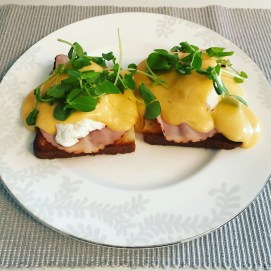
This breakfast and brunch dish is very similar to the Eggs Royale click here for recipe that I’ve posted before. The differences between the two are that the Eggs Benedict uses ham instead of salmon, and I use Hollandaise sauce instead of Béarnaise sauce. Perfect served on brioche.

Hollandaise sauce
5 freshly ground white peppers, or 3 shakes of ground white pepper
2 parsley stalks
4 tbsp water or white wine (or mixture of both)
200g butter
3 egg yolks
paprika powder
1/2-1 tbsp lemon juice
salt

1. Put the pepper, parsley and water (and/or wine) in a pan. Let boil until the liquid has reduced to about half. Strain the liquid.

2. Melt the butter.

3. Put the egg yolks in a bowl, and drizzle over the strained liquid, whisking / stirring.

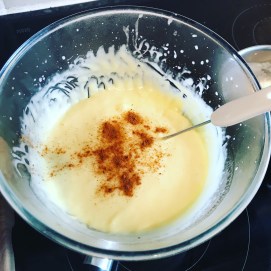
4. The eggs will need to be cooked in a bain marie (hot water bath). This is actually not as complicated as it sounds, please don’t let that deter you from making this sauce! You need a pot with water at the bottom, which will be heated to boiling. It’s important that the bottom of the bowl with the eggs doesn’t touch the hot water, as this could result to your sauce splitting. Whisk / stir the eggs until it’s starting to thicken. Next, start adding the melted butter to the eggs in drops at first, mixing/whisking as you go, then slowly drizzling the rest. You need to keep mixing the sauce until thickened.

5. Remove from the heat, and season with the paprika, lemon juice and salt.

img_2547

Poached eggs
1 tbsp vinegar
couple of pinches of salt

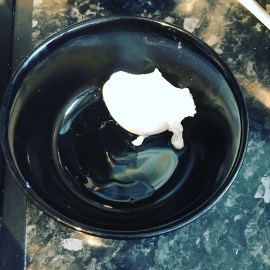
All you need to poach eggs successfully are spacious enough pan, spoon for stirring boiling water, slotted spoon for removing the egg from the water, a bowl for the cooked eggs to let excess water drain out. I tend to break the egg into a cup, to have one ready to be cooked as soon as one comes out of the boiling water.

1. Put vinegar and salt in the pan, pour water and bring to boil. Stir in the centre with a spoon, and immediately pour egg into the eye in the center. This, together with the vinegar and salt will hold the egg together.

img_2548

2. Cook for 3 minutes, and remove from the water with a slotted spoon. I tend to put the egg in a bowl first, to drain excess water, before plating it, otherwise you’ll end up with a soggy plate of food!

img_2549

Enjoy the food!

img_2540